
Can You Put a Sofa in Front of a Radiator? What to Know Before You Do
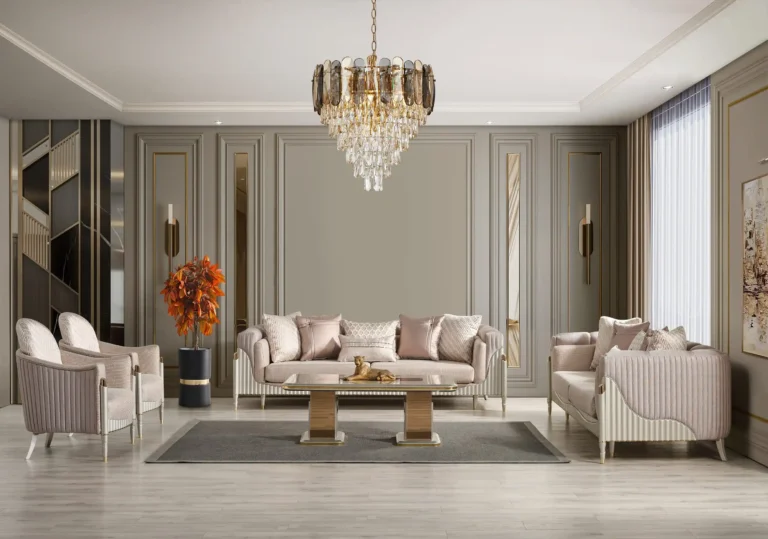
In a lot of Irish living rooms, the radiator sits on the one wall where the sofa would look best, usually under the window. So can you put a sofa in front of a radiator? Yes, with a gap, but it costs you heat and it can shorten the life of the sofa. Here is how to do it properly, and the alternatives worth considering.
The short answer: leave a clear gap
Keep the back of the sofa at least 30cm from the radiator, and never let it touch. That gap lets warm air rise and move into the room instead of being trapped behind the sofa, and keeps the fabric and frame away from direct heat.
What happens when a sofa blocks a radiator
- The room stays colder. Radiators heat mostly by warming the air around them, which then circulates. A sofa against the radiator traps that warm air, so you heat the back of the sofa instead of the room.
- The thermostat is fooled. A thermostatic radiator valve senses the warm pocket behind the sofa and turns the radiator down early, while the rest of the room stays cool.
- Bills go up. You turn the heating up to compensate, and pay for heat that never reaches you.
What heat does to a sofa
| Part of the sofa | Effect of constant heat |
|---|---|
| Fabric | Fades and dries, natural fibres can become brittle |
| Velvet | Pile flattens and can discolour along the back |
| Leather | Dries out, loses its finish and can crack |
| Foam cushions | Break down and soften faster |
| Wooden frame and glue joints | Dry out, which can loosen joints and cause creaks over time |
If you are choosing a velvet sofa, our velvet pros and cons guide covers how to keep it looking good, and the cushion filling guide explains why foam does not like heat.
Layouts that work around a radiator
- Float the sofa. Pull it 30 to 50cm off the wall and put a slim console table behind it. The radiator heats the room, the table hides the gap, and you gain a surface for lamps.
- Turn the layout 90 degrees. Put the sofa on a side wall facing the TV or fireplace, and leave the radiator wall clear or use it for a low piece with space above.
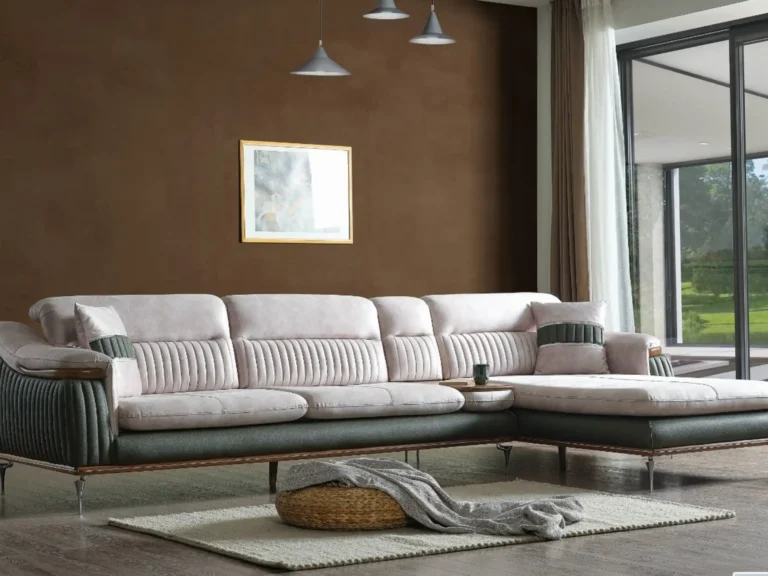
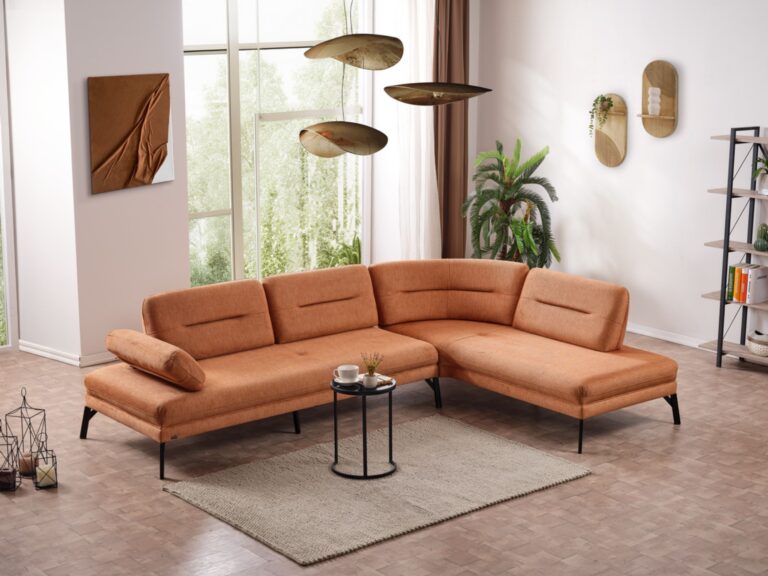
- Choose a sofa on legs. Raised legs let warm air flow underneath and out into the room, which helps a lot when space is tight.
- Go smaller. A compact 2-seater and an armchair can fit around the radiator instead of across it. Our small sofa range is designed for exactly this kind of room.
Changes to the radiator itself
- A radiator shelf just above the radiator deflects rising heat out into the room.
- A reflective panel behind a radiator on an external wall bounces heat back into the room instead of into the wall.
- A vertical radiator takes up less wall width and frees up space for furniture. Moving or replacing a radiator is a job for a plumber, so get a quote before planning the room around it.
Other furniture and radiators
- Beds and headboards: leave a gap; heat dries out upholstered headboards and timber.
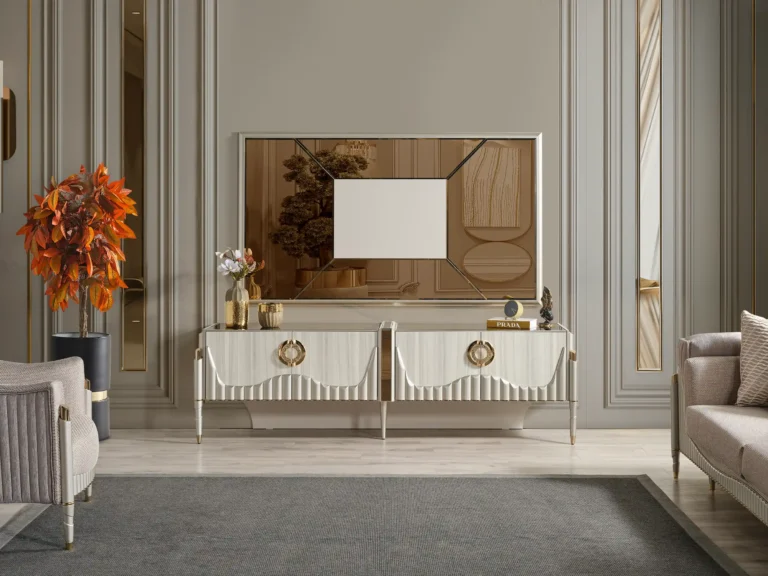
- TV units: electronics and heat do not mix, and neither do veneers.
- Curtains: curtains that fall over a radiator trap heat between the curtain and the window. Sill-length curtains or a blind let the heat into the room.
- Wardrobes: never in front of a radiator; the heat is wasted and the wardrobe dries out.
Planning a tricky living room?
Bring a rough floor plan with the radiator, window and door positions to our Portlaoise showroom, Tuesday to Saturday, 10am to 5pm, and we will help you find a sofa and layout that keep both you and the room warm. If the hall or door is narrow too, read how to measure before buying a sofa.