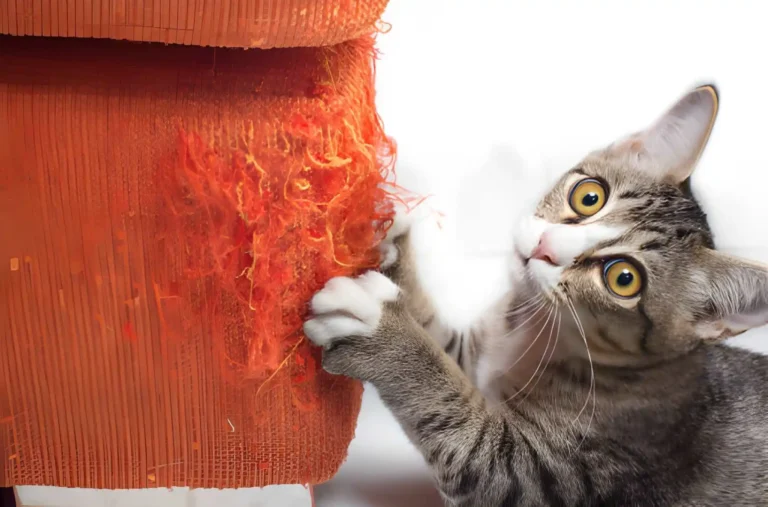

Can Leather Furniture Be Repaired?
Can leather furniture be repaired? Yes, leather furniture can often be repaired, restoring its aesthetic and functionality even after wear and tear. Minor scratches, stains, and some types of damage can be treated with simple cleaning and conditioning techniques.
For deeper issues like cracks or large tears, seeking professional help is advisable. Regular maintenance is essential to prolonging its lifespan. If you want to know more about specific repair methods and tips for care, just keep going!
Many homeowners investing in quality interiors — including those browsing premium collections at places like M&I Interiors — find that proper care and occasional repairs can make leather furniture look almost new again. If you want to know more about specific repair methods and tips for care, just keep going!
Key Takeaways
- Minor scratches and stains on leather furniture can often be repaired with appropriate cleaning and conditioning techniques.
- For deeper damage like cracks or large tears, seeking professional help is recommended for effective restoration.
- Regular maintenance, including dusting and conditioning, can prevent damage and extend the life of leather furniture.
- Matching the original leather color is crucial for touch-ups, and testing in a hidden area ensures accuracy.
- Identifying and addressing damage early enhances repair effectiveness and maintains the furniture’s aesthetic appeal.
Understanding Leather and Its Types
When you think about leather, it’s essential to recognize that not all leather is created equal. Different types of leather can notably impact your furniture’s look and feel.
Full-grain leather, for instance, showcases its natural imperfections, giving it a unique character that many love. Then there’s top-grain leather, which is more refined and offers a sleek appearance.
Suede, while soft and cozy, requires extra care to keep it looking great. Understanding these types helps you choose pieces that resonate with your style and lifestyle, creating a sense of belonging in your home.
Common Types of Damage to Leather Furniture
Leather furniture can suffer from a variety of common damages, and knowing what to look for can help you maintain its beauty.
You might notice scratches and scuffs, cracks and tears, or even stains and discoloration over time.
Identifying these issues early can make a big difference in how effectively you can repair them.
Scratches And Scuffs
Although scratches and scuffs might seem minor, they can greatly detract from the beauty of your leather furniture. Fortunately, addressing these blemishes can restore that cherished look. Here’s a quick guide to common types of scratches and their remedies:
| Type of Scratch | Suggested Repair |
|---|---|
| Light surface marks | Use a leather conditioner |
| Deeper scratches | Apply a leather repair kit |
| Scuffs from shoes | Buff with a soft cloth |
| Pet scratches | Use a leather colorant |
Taking care of these imperfections not only maintains your furniture’s appearance but also keeps it feeling like home. Invest a little time, and you’ll love the results!
Cracks And Tears
Scratches and scuffs can be annoying, but cracks and tears pose a more significant threat to your leather furniture’s longevity. These damages often occur from daily wear and tear, and they can make your beloved sofa or chair look worn and uninviting.
You might notice small cracks developing over time, especially in high-use areas like armrests or seat cushions. Tears can happen suddenly, often caused by sharp objects or sudden pulls. Addressing these issues promptly is essential; otherwise, they can worsen, leading to more extensive damage.
Fortunately, many repair options exist, from DIY kits to professional services. Restoring your leather can bring back that warm, welcoming feel to your space, ensuring it remains a cherished part of your home.
Stains And Discoloration
Stains and discoloration can be particularly frustrating when it comes to maintaining the beauty of your leather furniture. You want your pieces to reflect warmth and elegance, but accidents happen. Understanding common stains can help you tackle issues quickly.
| Stain Type | Cause | Solution |
|---|---|---|
| Ink | Pens or markers | Use rubbing alcohol gently |
| Food & Drink | Spills | Blot with a damp cloth |
| Oil | Cooking oils | Sprinkle baking soda, let sit, then vacuum |
| Water | Moisture or spills | Dry naturally, avoid heat |
Knowing how to address these stains not only protects your investment but also keeps your home inviting and beautiful. You can restore your leather furniture’s charm with a little care!
How to Assess Minor Scratches on Leather?
When you notice minor scratches on your leather furniture, it’s important to evaluate their severity before deciding on a repair method.
Start by examining the depth of the scratch. Light scratches that only affect the surface can often be less concerning, while deeper ones may require more attention. Run your finger over the scratch; if it feels smooth, it’s likely superficial.
Take note of any color loss or cracking around the area. You’ll also want to observe if the scratch has affected the leather’s finish.
Gathering this information helps you determine whether a simple leather conditioner or a more involved repair is needed. Your furniture deserves care, and evaluating the scratches is the first step toward restoring its beauty.
How to Fix Stains on Leather Furniture
Dealing with stains on leather furniture can feel intimidating, but you can tackle them effectively with the right approach.
First, identify the stain type—food, ink, or water—so you can choose the best remedy. For minor food stains, gently blot with a soft cloth, avoiding rubbing.
If it’s an ink stain, try rubbing alcohol on a cotton swab, being careful not to oversaturate. For watermarks, use a damp cloth and let it dry naturally.
Always test any cleaning solution on a hidden area first. After cleaning, apply a leather conditioner to keep your furniture soft and supple.
With these steps, you’ll not only maintain your leather but also create a welcoming space that feels like home.
Leather Repair for Cracks and Fading
After tackling stains, you might notice cracks and fading on your leather furniture that also need attention. Don’t fret; you can restore its beauty and prolong its life.
Start by cleaning the area with a gentle leather cleaner to remove dirt. Next, apply a leather conditioner to nourish the material and help minimize cracks.
For deeper cracks, use a leather repair kit, which usually includes a filler that matches your leather color. Smooth it over the crack and let it dry completely.
Finally, consider using a leather dye or color restorer to address fading. With these steps, your leather can regain its luxurious look, making your space feel cohesive and inviting again.
When to Seek Professional Leather Repair Help?
If you notice visible damage on your leather furniture, it’s time to contemplate professional help.
Signs of aging and wear can considerably affect its appearance and longevity.
Don’t hesitate to reach out to an expert when repairs go beyond your skills.
Visible Damage Assessment
When evaluating visible damage on leather furniture, it’s essential to recognize when the wear and tear exceeds your DIY repair skills.
Look for deep scratches, large tears, or faded areas that your usual touch-up methods can’t fix. If the damage disrupts the furniture’s overall aesthetic or functionality, it’s time to contemplate professional help.
You want your leather to reflect your style and warmth, creating a welcoming atmosphere in your home. Don’t hesitate to reach out for assistance if you’re unsure.
A skilled repair expert can restore your piece to its former glory, ensuring it remains a cherished part of your space for years to come.
Aging and Wear Signs
Recognizing the signs of aging and wear on leather furniture is essential for maintaining its beauty and functionality. If you notice these indicators, it might be time to seek professional help:
- Fading color or uneven tones
- Cracks or creases in the leather
- Stiffness or loss of suppleness
- Persistent stains that won’t come out
Addressing these issues promptly can prevent further damage and extend the life of your cherished pieces.
Leather furniture is an investment, and caring for it guarantees it remains a warm and inviting part of your home.
Don’t hesitate to consult a professional if you see these signs; they can restore your furniture’s charm and keep it a beloved part of your living space.
Choosing a DIY Leather Repair Kit
Choosing a DIY leather repair kit can feel overwhelming, especially with so many options available.
To find the right one for your needs, start by evaluating the type and color of your leather furniture. Look for kits that offer color matching, as this guarantees a seamless repair.
Read reviews from others in your community—those who’ve faced similar issues—and see what worked for them. It’s also helpful to choose a kit with clear instructions and all necessary tools included, so you’re not left scrambling.
Repairing Leather Scratches: A Step-by-Step Guide
If you’ve noticed scratches on your leather furniture, don’t worry; repairing them can be a straightforward process. Here’s a simple guide to restore your leather’s beauty:
- Gather your materials: You’ll need a leather repair kit, a soft cloth, and some leather conditioner.
- Clean the area: Wipe away dirt and dust with a damp cloth to prepare the surface.
- Apply the repair solution: Use the kit’s filler or colorant to fill in the scratch, following the instructions carefully.
- Condition the leather: Once the repair is dry, apply leather conditioner to keep it supple and protect against future damage.
Tips for Cleaning and Maintaining Leather Furniture
To keep your leather furniture looking its best, regular dusting is essential.
You’ll also want to use the right cleaning solutions and condition the leather to guarantee its longevity.
Regular Dusting Techniques
While leather furniture adds elegance to your space, it also requires regular care to keep it looking its best. Dusting is a simple yet effective way to maintain its appearance.
Here are some tips to help you with regular dusting techniques:
- Use a soft, lint-free cloth to avoid scratches.
- Dust your leather furniture weekly to prevent dirt buildup.
- For hard-to-reach areas, use a vacuum with a brush attachment.
- Avoid using excessive moisture, as it can damage the leather.
Proper Cleaning Solutions
Regular dusting sets the foundation for maintaining the beauty of your leather furniture, but proper cleaning solutions take it a step further.
To keep your pieces looking their best, use a gentle leather cleaner specifically designed for the material. Apply it with a soft cloth, working in circular motions to lift dirt without damaging the surface. Avoid harsh chemicals or excessive water, as they can strip the leather’s natural oils.
After cleaning, always dry the surface with a clean cloth to prevent moisture damage. Make it a habit to clean your furniture every few months, ensuring it stays fresh and inviting for you and your guests.
Your care reflects your style, creating a welcoming atmosphere in your home.
Conditioning for Longevity
Conditioning your leather furniture is essential for preserving its beauty and extending its lifespan. Regularly maintaining your leather not only enhances its look but also keeps it supple and comfortable.
Here are some tips to help you care for your leather pieces:
- Use a high-quality leather conditioner every 6-12 months.
- Clean spills immediately with a soft, damp cloth to prevent staining.
- Avoid direct sunlight, as it can cause fading and drying.
- Keep your furniture away from heat sources, which can lead to cracks.
Preventing Damage to Your Leather Furniture
To keep your leather furniture looking its best, you’ll want to take proactive steps to prevent damage.
Start by placing your furniture away from direct sunlight, as UV rays can cause fading and dryness. Use coasters or trays for drinks to avoid water rings or stains. Be mindful of sharp objects; even small items like keys can scratch the surface.
Regularly dust your leather with a soft cloth to remove debris that could cause wear. Additionally, consider using a leather protector to guard against spills and stains.
Finally, avoid letting pets jump on the furniture to prevent scratches and punctures.
Choosing the Right Color for Leather Touch-Ups
Even with your best efforts to prevent damage, wear and tear can still happen to your leather furniture.
When it’s time for touch-ups, choosing the right color is essential to maintain that sense of belonging in your home.
Here are a few tips to help you select the perfect shade:
- Match the original color: Use a color chart to find a close match.
- Consider the finish: Different finishes can affect how the color appears.
- Test a small area: Always apply the color to an inconspicuous spot first.
- Consult professionals: If you’re unsure, seeking expert advice can guarantee a seamless repair.
With the right color, your leather furniture can continue to be a cherished part of your space.
How to Restore the Shine to Dull Leather
When your leather furniture starts to lose its luster, restoring its shine can breathe new life into your space.
Start by cleaning the surface with a damp cloth to remove dust and dirt. Next, apply a small amount of leather conditioner using a soft cloth. This not only nourishes the leather but also enhances its natural shine.
Make sure to rub it in gently, working it into the creases and seams. Allow it to sit for a few minutes, then buff it with a clean, dry cloth for a polished finish.
If your leather still looks dull, consider using a specialized leather polish.
With a little effort, you can create a warm, inviting atmosphere that makes your home feel truly special.
The Cost of Leather Furniture Repair
Repairing leather furniture can vary greatly in cost depending on the extent of the damage and the type of leather. You might find that minor repairs are quite affordable, while extensive damage can lead to higher expenses.
Here are some factors that influence the cost:
- Type of leather: Different leathers have varying repair costs.
- Extent of damage: Scratches or small tears are cheaper to fix than major rips or stains.
- Professional vs. DIY: Hiring a professional will typically cost more than attempting a DIY repair.
- Location: Repair costs can fluctuate based on your local market.
Knowing these factors can help you budget effectively while ensuring your cherished leather furniture remains a part of your home.
Should You Repair or Replace Your Leather Furniture?
Deciding whether to repair or replace your leather furniture can feel overwhelming. You cherish the comfort and style that your leather pieces bring to your home, but wear and tear can make you question their longevity.
Start by evaluating the damage. Minor scratches or fading might be easily fixed, allowing you to keep your beloved furniture. However, if your leather is deeply cracked or structurally compromised, replacement might be a better option.
Consider how each choice aligns with your sense of belonging. Does repairing the furniture enhance your space and memories? Or is a new piece that fits your evolving style more appealing?
Ultimately, trust your instincts and choose the option that feels right for you and your home.
Expert Tips for Long-Lasting Leather Care
To guarantee your leather furniture remains beautiful for years to come, it’s essential to adopt a consistent care routine.
By taking a few simple steps, you’ll create an inviting atmosphere in your home and extend the life of your cherished pieces.
- Clean regularly with a soft, dry cloth to remove dust and dirt.
- Use a leather conditioner every 6-12 months to keep the material supple.
- Avoid placing your furniture in direct sunlight to prevent fading.
- Address spills immediately with a damp cloth to avoid stains.
Frequently Asked Questions
Conclusion
In the dance of life, your leather furniture deserves a second chance to shine. With a little care and the right techniques, you can breathe new life into those worn-out pieces, turning scars into stories.
Whether you choose to patch, polish, or rejuvenate, remember that every mark tells a tale. So, roll up your sleeves, embrace the challenge, and let your leather furniture sparkle like a diamond in the sun, ready to grace your home for years to come.
And if you ever feel like upgrading or adding a touch of luxury alongside your refreshed pieces, shops like M&I Interiors offer beautiful, family-focused furnishings that can transform a space with personalised style.
Pop into their Portlaoise showroom or explore our collection online to find bespoke furniture, curtains, and statement pieces that bring your home to life.