
What Is Engineered Wood Furniture?
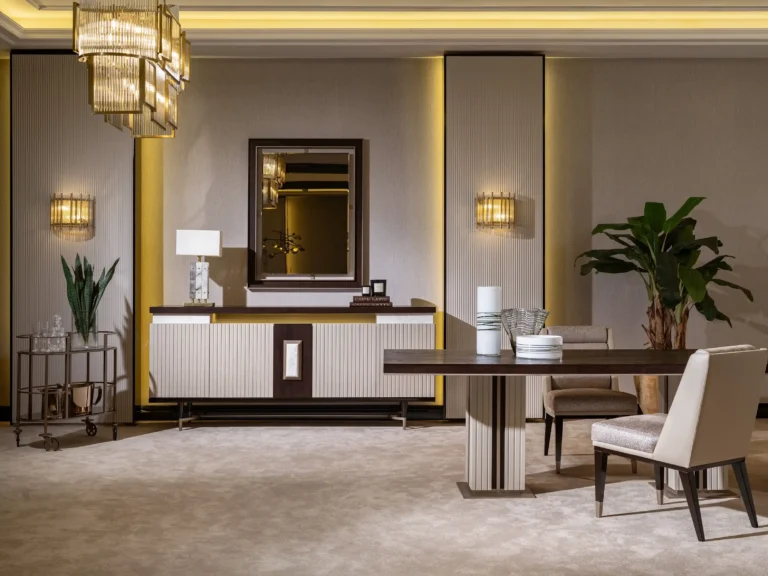
What is engineered wood furniture? In the world of furniture, engineered wood stands out like a versatile chameleon, blending beauty and functionality. By choosing engineered wood, you’re not just selecting stylish pieces; you’re opting for durability and eco-friendliness. Remember, it’s the blend of innovation and nature that creates a harmonious living space. To compare furniture materials in person, use our guide to identifying wood types.
As you envision your home, picture the elegant lines and rich textures of engineered wood, inviting comfort and modernity into your life. Embrace this smart choice for your next furniture investment — and for a little extra ease, companies like M&I Interiors even offer expert assembly and installation, making the journey from showroom to finished space effortless.
Your bespoke furniture journey should be as much about the process as the final piece.
Key Takeaways
- Engineered wood furniture combines natural wood fibers and resins, providing durability and aesthetic appeal similar to traditional wood.
- Common types include particleboard, MDF, plywood, and OSB, each serving various furniture and construction purposes.
- It is generally more affordable than solid wood, offering great value without sacrificing style or durability.
- Engineered wood is eco-friendly, utilizing recycled materials and fast-growing trees, reducing environmental impact compared to solid wood.
- Regular maintenance involves cleaning with a soft cloth and immediate spill management to prolong its lifespan and appearance.
What Is Engineered Wood Furniture?
Engineered wood furniture combines natural wood fibers and resins to create sturdy and stylish pieces. This type of furniture offers the warmth and beauty of traditional wood while being more accessible and versatile.
You’ll find it in various designs, making it easy to express your personal style and create a welcoming atmosphere in your home. Whether you’re furnishing a cozy apartment or a spacious family home, engineered wood can fit seamlessly into your space.
Plus, it’s often more affordable than solid wood, allowing you to invest in quality items without breaking the bank.
With engineered wood furniture, you can enjoy the perfect blend of aesthetics and functionality, making your home feel inviting and uniquely yours.
How Is Engineered Wood Made?
To understand how engineered wood is made, you first need to contemplate the raw materials selected for production.
You’ll learn about the various manufacturing techniques that transform these materials into usable forms.
Finally, finishing and treatment methods enhance the wood’s durability and appearance, ensuring it meets your expectations.
Raw Material Selection Process
When selecting raw materials for engineered wood, manufacturers prioritize durability and sustainability, ensuring the final product meets both performance and environmental standards.
You’ll find that they often choose recycled wood fibers or fast-growing trees, which helps reduce deforestation and promotes eco-friendliness.
It’s essential for you to know that these materials are carefully evaluated for strength, moisture resistance, and overall quality.
This attention to detail not only enhances the longevity of the furniture but also contributes to a healthier planet.
By choosing engineered wood, you’re embracing a choice that balances style, functionality, and ethics.
You’ll feel good knowing your furniture supports sustainable practices while offering the beauty and reliability you desire in your living space.
Manufacturing Techniques Overview
Although the process of making engineered wood may seem complex, it fundamentally involves layering and bonding together wood fibers or particles with adhesives. This method creates a strong, stable material that can be shaped into various forms.
Here’s a quick overview of the key manufacturing techniques:
| Technique | Description | Benefits |
|---|---|---|
| Laminating | Layers of wood are glued together | Enhances durability |
| Veneering | A thin layer of wood is applied | Provides a beautiful finish |
| Pressing | High pressure is used to bond layers | Guarantees uniform thickness |
Finishing and Treatment Methods
Finishing and treatment methods are essential in transforming engineered wood into durable, aesthetically pleasing products. You’ll find that these processes enhance both the beauty and longevity of your furniture.
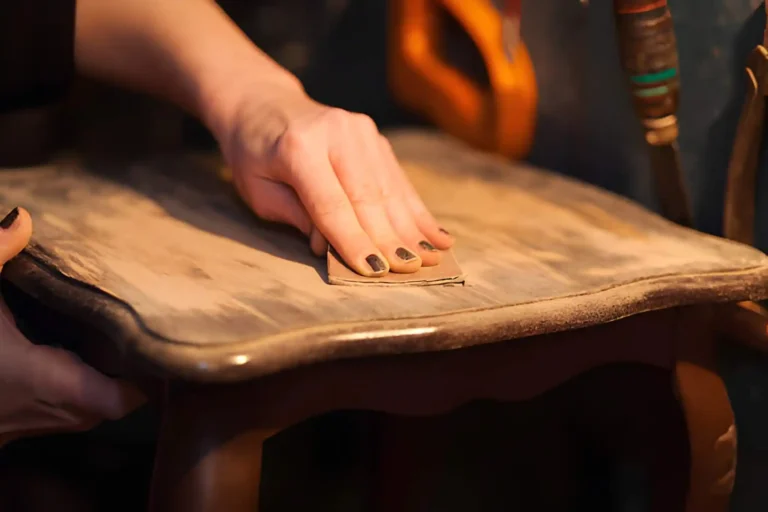
Common treatments include sanding, sealing, and applying stains or paints. Sanding smooths out imperfections, ensuring a sleek surface that feels good to touch. Sealing protects against moisture and wear, extending the life of your pieces.
When you choose stains or paints, you can customize the color and finish to fit your style, making your furniture truly yours. Additionally, eco-friendly finishes are available, allowing you to create a beautiful space while being kind to the planet.
Embracing these methods helps you enjoy your engineered wood furniture for years to come.
Types of Engineered Wood Products
Engineered wood products come in various forms, each designed to meet specific needs in furniture making and construction. Understanding these types can help you choose the right materials for your home, where memories are made and cherished.
| Type of Engineered Wood | Common Uses |
|---|---|
| Particleboard | Cabinets, furniture |
| MDF (Medium Density Fiberboard) | Shelving, panels |
| Plywood | Doors, flooring |
| OSB (Oriented Strand Board) | Wall sheathing, flooring |
| Laminated Veneer Lumber | Beams, posts |
The Advantages of Choosing Engineered Wood
When you choose engineered wood, you’re making a cost-effective decision that doesn’t compromise on quality.
It’s also a more eco-friendly option, helping to reduce waste and support sustainable practices.
Plus, the versatile design options mean you can find the perfect fit for your style and space.
Cost-Effective Choice
Choosing engineered wood furniture can be a smart financial decision, especially for those looking to balance style and budget. This type of furniture often comes at a lower price point than solid wood, allowing you to invest in quality pieces without breaking the bank. Plus, it offers versatility in design, making it easy to find something that fits your home perfectly.
| Feature | Engineered Wood |
|---|---|
| Cost | Affordable |
| Design Options | Versatile |
| Durability | Long-lasting |
Eco-Friendly Materials
As you consider your furniture options, you’ll find that engineered wood offers a more sustainable choice than traditional solid wood. By using recycled materials and less timber, it reduces the demand for deforestation, helping to preserve our forests.
This means you’re not just investing in furniture; you’re making a positive impact on the environment. Plus, engineered wood often has a lower carbon footprint during production and transportation, aligning your choices with eco-friendly values.
When you choose engineered wood, you’re joining a community of like-minded individuals who care about the planet’s future. It’s a way to express your commitment to sustainability while enjoying stylish and durable furniture that feels right at home in your life.
Versatile Design Options
Engineered wood isn’t just a sustainable choice; it also opens up a world of design possibilities. You can find a range of styles, from sleek modern pieces to classic designs that fit right into your home.
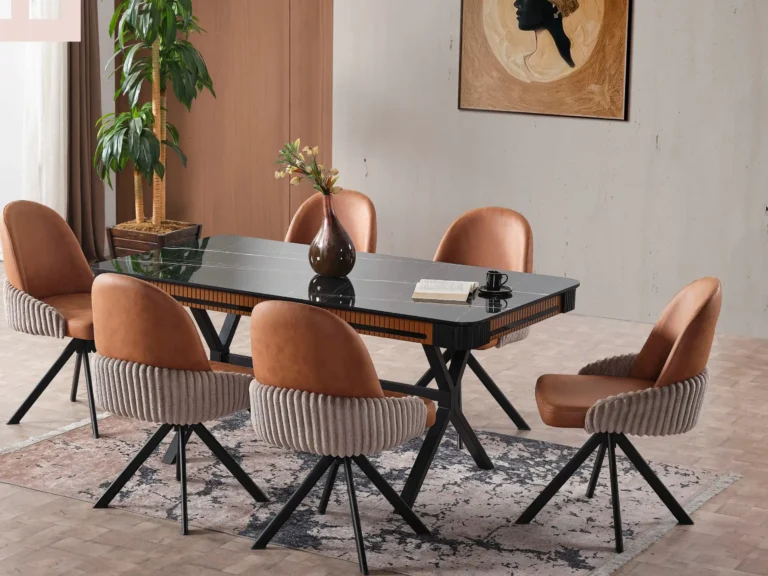
With its ability to mimic the look of solid wood or other materials, engineered wood lets you express your unique personality without sacrificing quality. Whether you’re looking for a cozy dining set for family gatherings or a stylish coffee table that sparks conversation, there’s something for everyone.
Plus, its durability means your furniture will stand the test of time, creating a warm, inviting space where you and your loved ones can create lasting memories. Choose engineered wood and embrace the beauty of versatility.
Engineered Wood vs. Solid Wood: Key Differences
When it comes to furniture, understanding the differences between engineered wood and solid wood can help you make the best choice for your home.
Engineered wood is made from layers of wood fibers, bonded together, offering a consistent look and often more affordable price.
Solid wood, on the other hand, is crafted from a single piece of timber, showcasing unique grains and natural beauty.
While solid wood can be more durable, engineered wood is less prone to warping and can be easier to maintain.
If you’re looking for style and versatility, engineered wood might fit your needs.
However, if you value authenticity and timelessness, solid wood could be the perfect match for your living space.
Choose what resonates with you!
How Durable Is Engineered Wood Furniture?
The durability of engineered wood furniture often surprises many homeowners. You might think it’s less sturdy than solid wood, but engineered wood is designed to withstand daily use. With proper care, you’ll find it lasts just as long, if not longer, than traditional options.
Here’s a quick comparison of durability factors:
| Feature | Engineered Wood | Solid Wood |
|---|---|---|
| Scratch Resistance | Moderate | High |
| Water Resistance | Low to Moderate | Moderate to High |
| Structural Stability | High | Variable |
When you choose engineered wood furniture, you’re making a smart decision for your home, ensuring lasting beauty and functionality that fits right in with your lifestyle.
Cost-Effective Choices With Engineered Wood
When you’re looking for furniture that won’t break the bank, engineered wood offers affordable material options without sacrificing style.
Its durability and longevity make it a smart investment for your home, ensuring you get great value for your money.
Plus, the versatile design possibilities mean you can find pieces that fit any aesthetic.
Affordable Material Options
Engineered wood furniture offers a budget-friendly solution without sacrificing style or durability. You can create a cozy, inviting space without breaking the bank. Here are some affordable material options to evaluate:
| Material Type | Average Cost Per Square Foot |
|---|---|
| Plywood | $1.50 – $3.00 |
| MDF (Medium Density Fiberboard) | $1.00 – $2.50 |
| Particle Board | $0.75 – $1.50 |
These options not only fit your budget but also provide versatility in design. Whether you’re furnishing a new home or revitalizing a room, engineered wood pieces can help you achieve a cohesive look that fosters a sense of belonging. Embrace these materials to make your space feel uniquely yours!
Durability And Longevity
While you might worry about the durability of engineered wood furniture, it’s designed to withstand daily wear and tear, making it a smart choice for budget-conscious consumers.
You’ll find that this type of furniture not only looks great but can also stand the test of time in your home.
Consider these benefits:
- Resistant to warping: Engineered wood is less likely to warp or crack compared to solid wood.
- Easy maintenance: A simple wipe-down keeps it looking fresh and clean.
- Cost-effective: You get the style of wood without breaking the bank.
Choosing engineered wood means you’re investing in pieces that fit your lifestyle, enhancing your space while keeping your budget in check.
You’ll feel right at home with this practical choice.
Versatile Design Possibilities
With countless design options available, you can easily find engineered wood furniture that complements your unique style and space.
Whether you’re searching for sleek modern pieces or cozy rustic accents, engineered wood provides the flexibility to create a home that feels just right for you.
It’s not only about aesthetics; these pieces often come at a fraction of the cost compared to solid wood, allowing you to furnish your home without breaking the bank.
You can mix and match styles, colors, and finishes, making it simple to express your personality.
Plus, you’ll find that engineered wood furniture is lightweight, making rearranging your space a breeze.
Embrace the versatility of engineered wood and craft the welcoming environment you’ve always wanted.
Engineered Wood’s Environmental Impact
As you explore the world of furniture options, it’s essential to contemplate the environmental impact of engineered wood. While it often uses less solid wood, making it a more sustainable choice, you should also consider how it’s made and its long-term effects.
Here are some key points to keep in mind:
- Resource Efficiency: Engineered wood utilizes smaller, fast-growing trees, reducing the strain on forests.
- Waste Reduction: It often repurposes wood scraps, minimizing waste and promoting a circular economy.
- Chemical Considerations: Be mindful of the adhesives used, as some can emit volatile organic compounds (VOCs).
How to Use Engineered Wood in Your Home
Engineered wood offers a versatile option for enhancing your home’s aesthetic and functionality. You can use it in various ways, from stylish furniture to elegant flooring.
Consider incorporating engineered wood accent pieces, like coffee tables or bookshelves, to create a warm and inviting atmosphere. It’s perfect for DIY projects too; think about crafting unique wall art or custom cabinetry that reflects your personality.
In your kitchen, engineered wood can bring warmth to cabinetry or even a chic island, fostering a sense of gathering. Pair engineered wood with natural textiles and colors to create a cohesive look that invites everyone in.
Maintenance Tips for Engineered Wood
To keep your engineered wood furniture looking its best, regular cleaning is key.
You’ll want to avoid moisture damage by using the right techniques and products.
Let’s explore how to maintain your furniture effectively.
Regular Cleaning Techniques
Keeping your engineered wood furniture looking great requires just a few simple cleaning techniques. By incorporating these practices into your routine, you’ll not only maintain its beauty but also create a warm, inviting space that feels like home.
- Dust regularly with a soft, dry cloth to prevent buildup and keep surfaces looking fresh.
- Avoid harsh cleaners; instead, use a mild soap solution for deeper cleans, guaranteeing you don’t damage the finish.
- Wipe spills immediately to prevent staining and guarantee your furniture stays in top shape.
Avoiding Moisture Damage
While you enjoy the beauty and functionality of your engineered wood furniture, it’s essential to be proactive in preventing moisture damage. Here are some tips to keep your pieces looking great:
| Action | Frequency |
|---|---|
| Wipe spills quickly | As they happen |
| Use coasters | Always |
| Maintain humidity levels | Seasonally |
| Avoid direct sunlight | Daily |
Design Versatility of Engineered Wood Pieces
Engineered wood pieces offer remarkable design versatility, allowing you to create a space that reflects your personal style. You can easily mix and match styles, colors, and finishes to make your home feel uniquely yours.
Whether you prefer a modern aesthetic or a cozy, rustic vibe, engineered wood can adapt to your vision.
Consider these aspects of design versatility:
- Customization: Tailor furniture to fit your specific space and needs.
- Variety: Choose from numerous styles, textures, and colors to express your taste.
- Affordability: Enjoy beautiful designs at a fraction of the cost of solid wood.
With engineered wood, you’re not just furnishing a home; you’re crafting an environment that welcomes and inspires those who enter.
How to Choose Quality Engineered Wood Furniture
How can you guarantee you’re selecting quality engineered wood furniture? Start by examining the materials and construction. Look for furniture made with high-density fiberboard (HDF) and sturdy joints. Check for a smooth finish, which indicates skilled craftsmanship.
Here’s a quick guide to help you:
| Feature | What to Look For | Why It Matters |
|---|---|---|
| Material Quality | HDF or plywood | Durability and stability |
| Joint Construction | Dovetail or dowel joints | Enhanced strength |
| Surface Finish | Smooth and even | Aesthetic appeal and longevity |
| Warranty | At least 1-2 years | Assurance of quality |
| Brand Reputation | Positive reviews | Trust in craftsmanship |
Common Drawbacks of Engineered Wood Furniture
Although engineered wood furniture offers many benefits, it also comes with its share of drawbacks that you should consider.
While it can fit beautifully in your home, it’s important to be aware of these potential issues:
- Durability: Engineered wood may not withstand heavy use as well as solid wood, leading to wear over time.
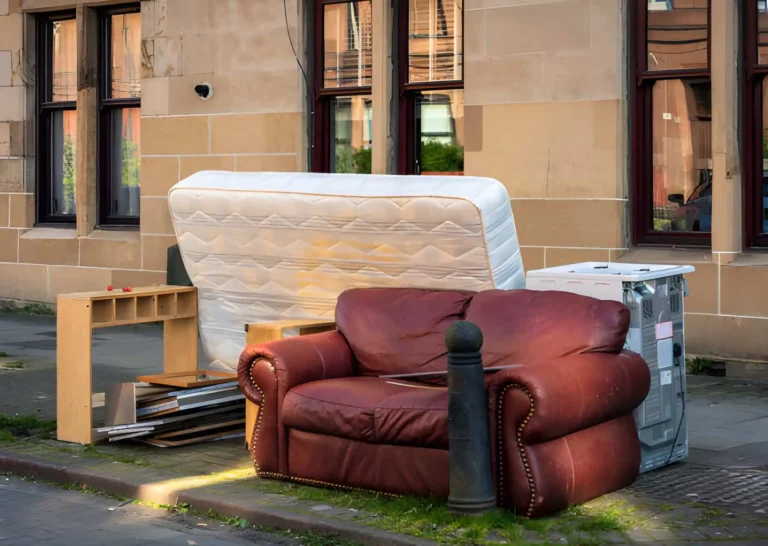
- Repairability: Once damaged, fixing engineered wood can be challenging, often requiring replacement rather than simple repairs.
- Appearance: Though designed to mimic real wood, it may lack the unique character and warmth that traditional wood offers.
Safety Considerations: VOCs in Engineered Wood?
When considering engineered wood furniture, it’s essential to be aware of the potential presence of volatile organic compounds (VOCs). These compounds can off-gas into your home environment, affecting air quality and your health.
While many manufacturers are moving towards low-VOC or no-VOC products, it’s vital to check labels and certifications. You want furniture that not only looks good but also promotes a safe, healthy space for you and your loved ones.
Choosing pieces that meet environmental standards can help you feel more connected to your home and community. By being informed about VOCs, you’re taking a proactive step in creating a nurturing environment that welcomes everyone.
Future Trends in Engineered Wood Furniture Design
Innovations in engineered wood furniture design are reshaping the way we think about sustainability and aesthetics.
You’re not just choosing furniture; you’re making a statement about your values and lifestyle. As you look ahead, consider these exciting trends:
- Eco-friendly materials: Sustainability is key, with a focus on recycled and responsibly sourced woods.
- Smart technology integration: Furniture that adapts to your needs, from built-in charging stations to adjustable features, enhances your home experience.
- Customizable designs: Personalization allows you to create pieces that reflect your unique style and foster a sense of belonging in your space.
Embracing these trends means you’re part of a community that values innovation and connection.
Together, let’s create homes that inspire and nurture.
Frequently Asked Questions
Conclusion
In the world of furniture, engineered wood stands out like a versatile chameleon, blending beauty and functionality. By choosing engineered wood, you’re not just selecting stylish pieces; you’re opting for durability and eco-friendliness. Remember, it’s the blend of innovation and nature that creates a harmonious living space.
As you envision your home, picture the elegant lines and rich textures of engineered wood, inviting comfort and modernity into your life. Embrace this smart choice for your next furniture investment!
Your bespoke furniture journey should be as much about the process as the final piece — and that’s where M&I Interiors can help. With their expert assembly and installation services, you can enjoy a seamless experience from choosing your perfect design to having it beautifully set up in your home. Why not explore their luxury collections and start transforming your space today?
For related guidance, read our identifying vintage furniture.