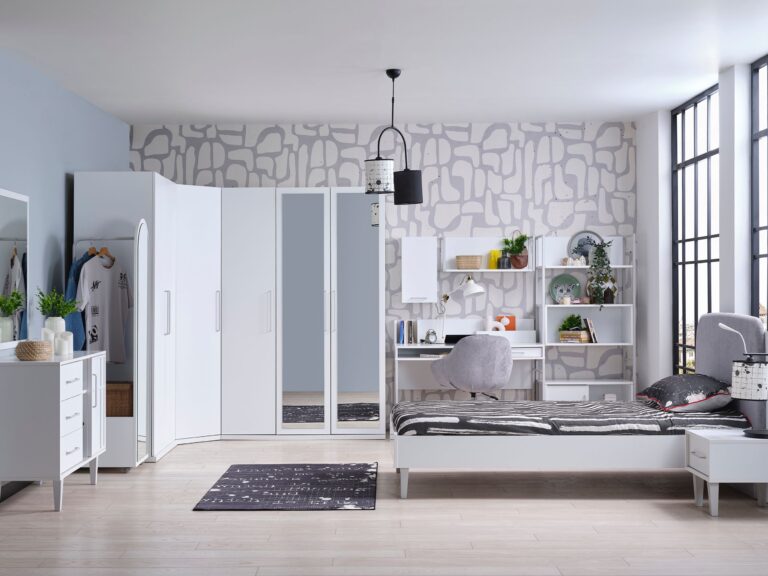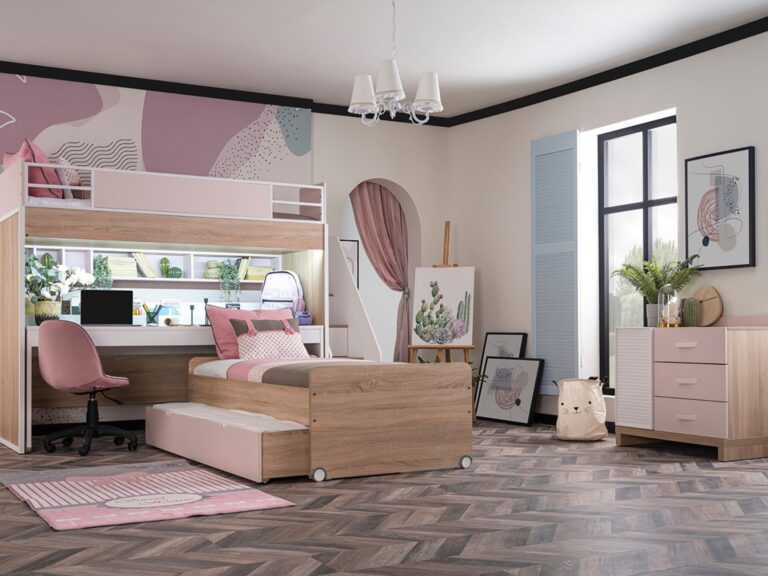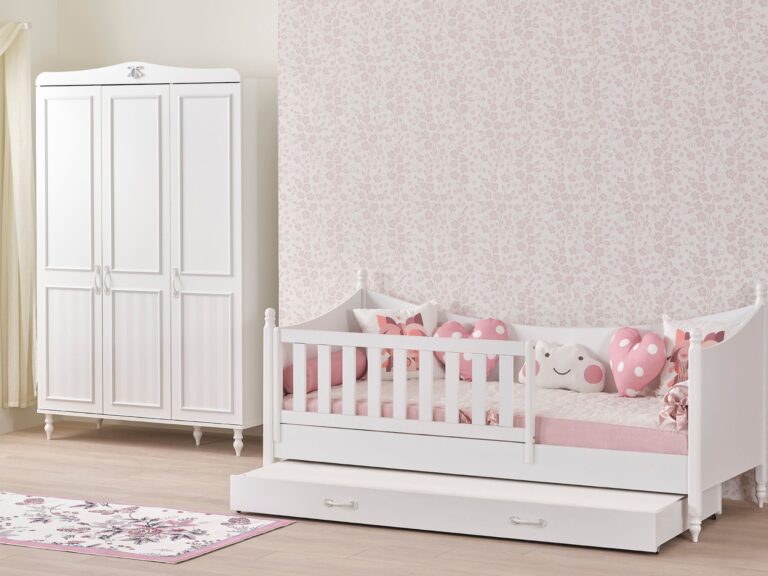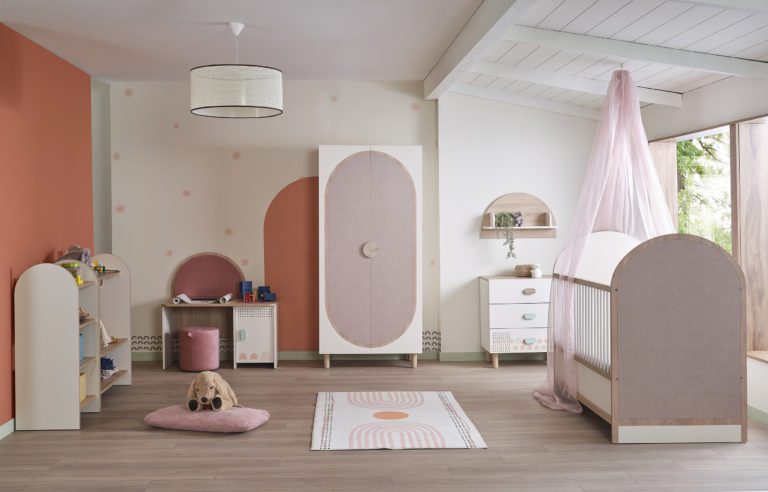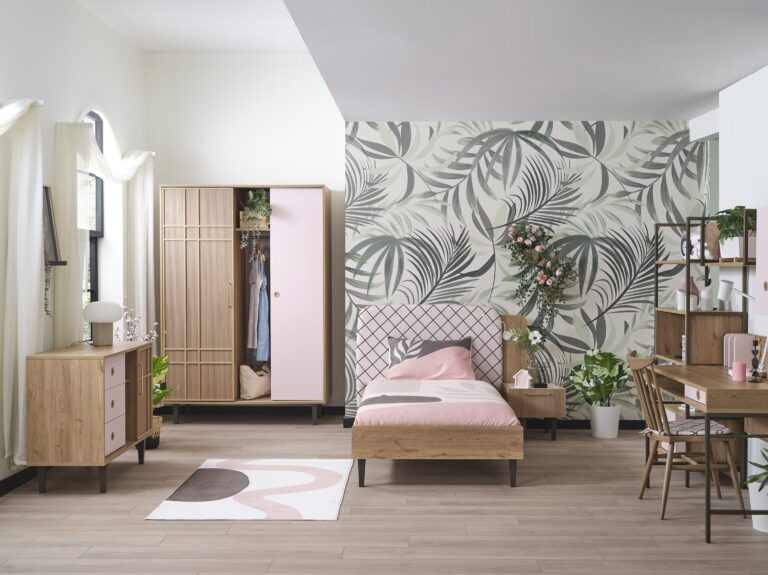
How to Plan Your Child’s Room Before Visiting the Showroom
To plan your child’s room before hitting the showroom, start by evaluating their needs, preferences, and the available space. Make note of essential items and set a budget.
Gather inspiration from magazines or online sources, and choose a color scheme that reflects their personality.
Prioritize safety by selecting furniture with rounded edges and non-toxic finishes. By preparing these details, you’ll create a functional space they’ll love. There’s more to explore, so keep going!
Key Takeaways
- Assess the space dimensions and layout to determine the best furniture arrangement and storage solutions for play, study, and rest areas.
- Involve your child in color and theme selection to ensure the room reflects their personality and fosters a sense of belonging.
- Establish a budget that covers essential items while allowing flexibility for unexpected needs or future changes in the room.
- Gather inspiration from magazines or online platforms to create mood boards that visually represent your ideas and preferences.
- Prioritize safety by selecting furniture with rounded edges, adequate storage, and ensuring items are anchored securely to prevent hazards.
Assess Your Child’s Needs
When planning your child’s room, it’s crucial to assess their needs first.
Think about how much space they’ll need for play, study, and rest. A well-organized room can nurture their creativity and help them feel secure.
Consider storage options for toys, books, and clothes to keep things tidy. Don’t forget about safety—make sure furniture is stable and there are no sharp edges.
If your child has specific hobbies or interests, think about how to incorporate areas for those activities.
Remember, a functional room can foster belonging and help them develop a sense of ownership.
Consider Your Child’s Preferences
When planning your child’s room, it’s essential to contemplate their favorite colors and themes.
Ask them about the furniture and accessories they’d love to have, ensuring the space reflects their personality.
Creating fun and functional areas will make their room a place they truly enjoy.
Favorite Colors and Themes
Colors and themes can transform your child’s room into a personal sanctuary that reflects their unique personality. When planning, involve your child to guarantee their preferences shine through. Consider their favorite colors and themes, as this fosters a sense of belonging.
Here’s a quick visual guide to spark ideas:
| Color | Theme |
|---|---|
| Blue | Ocean Adventure |
| Pink | Princess Castle |
| Green | Nature Explorer |
| Yellow | Sunshine & Fun |
Let their imagination guide you! By selecting colors and themes together, you’re not just decorating a room; you’re creating a space where they feel connected, cherished, and truly at home.
Desired Furniture and Accessories
Choosing the right furniture and accessories is essential for creating a functional and inviting space for your child. Start by considering your child’s preferences—what colors, themes, or characters resonate with them? This input makes them feel valued and connected to their space.
A cozy bed, a fun desk, and ample storage can cater to their needs while reflecting their personality. Don’t forget playful accessories like cushions or wall art that can easily be updated as their tastes evolve.
Involving your child in these choices fosters a sense of belonging and ownership, making their room a true sanctuary. Prioritize comfort and functionality, ensuring their space serves both their interests and daily activities.
Fun and Functional Spaces
Creating a space that’s both fun and functional hinges on understanding your child’s unique preferences. When you consider what they love, you can design a room that truly feels like theirs.
Here are three essential elements to focus on:
- Color Schemes: Choose colors that resonate with your child’s personality—bold for the adventurous, soft for the dreamers.
- Play Zones: Incorporate areas for creativity, whether it’s art supplies, a reading nook, or a mini play area.
- Multi-Functional Furniture: Invest in pieces that serve dual purposes, like a desk that doubles as a craft station.
Evaluate the Available Space
When planning your child’s room, the first step is to evaluate the available space. Take a good look around and measure the room’s dimensions. Note the placement of windows, doors, and any built-in features. This will help you visualize how to arrange furniture and create a cozy atmosphere.
Consider how your child will use the space for sleeping, playing, and studying. Think about their interests and hobbies, which can influence the layout. Look for opportunities to maximize storage, such as under-bed drawers or multi-functional furniture.
Set a Budget
Before you start shopping, it’s essential to set a budget for your child’s room.
Determine your total spending limit, and allocate funds for essentials like furniture and decor.
Don’t forget to take into account future expenses, so you’re prepared for any changes down the line.
Determine Total Spending Limit
Setting a budget for your child’s room is essential to guarantee you don’t overspend while creating a space that’s both functional and fun.
To determine your total spending limit, consider these key factors:
- Room Size: The size of the room can impact the cost of furniture and decor, so measure the space before setting your budget.
- Essential Items: Identify what you need for your child’s comfort and functionality. Prioritize items like a bed, storage, and a study area.
- Flexibility for Extras: Allow a portion of your budget for unexpected needs or personal touches, ensuring the room reflects your family’s style.
Allocate Funds for Essentials
With your total spending limit established, it’s time to allocate funds for the essentials that will make your child’s room both functional and inviting.
Begin by identifying key items like a bed, storage solutions, and a desk or play area. Prioritize quality over quantity; investing in durable furniture can save you money in the long run.
Consider soft furnishings like rugs and curtains that add warmth and comfort, creating a cozy atmosphere. Don’t forget about lighting—good lighting can transform a space and support your child’s activities.
As you set aside funds, balance practicality with style, ensuring the room reflects your child’s personality while remaining a welcoming retreat. This thoughtful approach fosters a sense of belonging for your little one.
Consider Future Expenses
As you plan your child’s room, it’s essential to reflect on future expenses that may arise beyond the initial setup. By setting a budget, you can guarantee that you won’t face unexpected costs down the line.
Here are three key areas to take into account:
- Furniture Replacement: Kids grow quickly, and their needs change. Factor in potential upgrades for beds, desks, or chairs.
- Decor Updates: Your child’s tastes will evolve. Set aside funds for new bedding, wall art, or accessories over time.
- Maintenance Costs: Anticipate wear and tear. Budget for repairs or replacements of items like rugs or storage solutions.
Gather Inspiration
How can you guarantee your child’s room reflects their personality while still being functional? Start by gathering inspiration from various sources.
Look through magazines, browse Pinterest, or explore Instagram for creative ideas that resonate with you and your child. Pay attention to colors, themes, and layouts that catch your eye.
Consider your child’s interests, whether it’s a favorite character, hobby, or color scheme. You could even involve them in this process—let them pin images or create mood boards to express their vision.
This way, you’ll ascertain their room feels personal and inviting. Remember, the goal is to create a space where your child feels a sense of belonging and comfort, making it truly their own.
Make a List of Essential Furniture
After gathering inspiration, it’s time to focus on the practical side of your child’s room.
Creating a comfortable and functional space requires essential furniture that meets your child’s needs. Here’s a list to get you started:
- Bed: A good bed is critical for restful sleep. Choose one that suits your child’s age and style, promoting relaxation and comfort.
- Desk: A dedicated workspace helps with homework and creativity. Opt for a desk that fits your child’s activities and provides enough space for projects.
- Chair: A supportive chair is important for comfort during study time. Make sure it’s adjustable and matches the desk for a cohesive look.
Think About Storage Solutions
While you’re considering the layout of your child’s room, don’t overlook the importance of effective storage solutions.
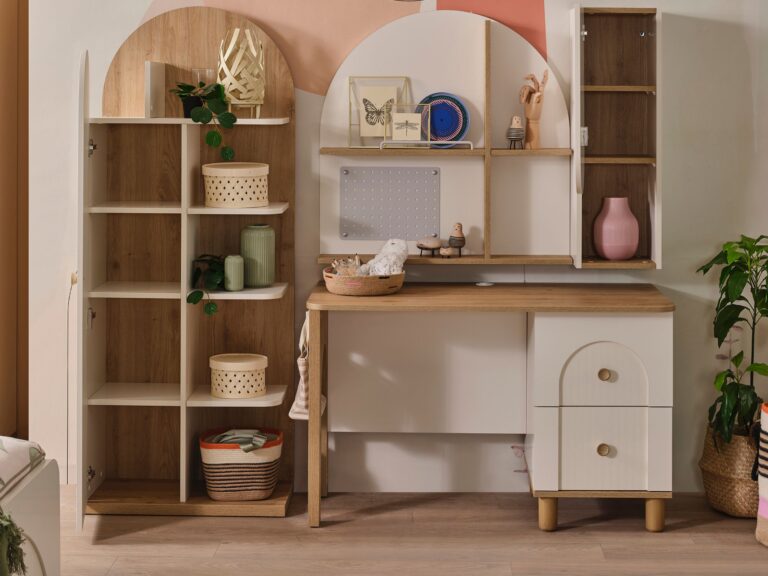
Think about how your child uses their space and what items they need to keep organized. Opt for multi-functional furniture, like beds with drawers or benches with storage inside.
Shelves can display toys and books while keeping them accessible. Consider color-coded bins or baskets that match the room’s decor—this adds a personal touch while making tidying up easier.
Don’t forget wall-mounted organizers to save floor space. Effective storage not only keeps the room tidy but also creates a sense of belonging, helping your child feel more in control of their environment.
A well-organized room fosters creativity and comfort.
Plan for Growth and Change
As your child grows, their needs and preferences will inevitably change, so it’s crucial to plan a room that can adapt over time.
Here are three key strategies to guarantee their space evolves with them:
- Flexible Furniture: Choose multi-functional pieces like a bed with storage or a desk that can adjust in height. This way, you won’t need to replace everything as they mature.
- Neutral Base: Opt for a neutral color scheme and decor that can easily shift from childhood themes to teenage aesthetics. This allows for easy updates without a complete overhaul.
- Personal Touches: Incorporate areas for your child to express their personality, like a bulletin board for artwork, making it easier to refresh the space as their tastes change.
Choose a Color Scheme
When choosing a color scheme for your child’s room, think about the size of the space and how colors can affect its feel.
It’s also important to incorporate your child’s preferences, as their room should reflect their personality.
Balancing these elements will create a vibrant and inviting atmosphere.
Consider Room Size
The size of your child’s room plays an essential role in choosing an effective color scheme. A well-thought-out palette can create an inviting atmosphere that enhances the space.
Here are three things to reflect on when selecting colors:
- Small Rooms: Opt for lighter shades to make the space feel larger and airier. Soft pastels or whites work wonders.
- Medium Rooms: You can introduce a mix of light and medium tones. Contemplate accent walls to add depth without overwhelming the area.
- Large Rooms: Darker colors can create warmth and intimacy. Don’t shy away from bold hues; they can add character and style.
Incorporate Child’s Preferences
Incorporating your child’s preferences into the color scheme can transform their room into a personal sanctuary. Start by having a conversation with them about their favorite colors or themes.
Whether they adore vibrant hues or prefer soft pastels, their choices can help create a space that feels truly theirs. Consider using two or three complementary colors to keep the design cohesive, and think about how these shades can influence their mood and creativity.
You could even let them pick out an accent wall or bedding that reflects their interests. By involving your child in this process, you’re not just decorating a room; you’re nurturing their sense of identity and belonging, making their space a haven they’ll love.
Incorporate Personal Touches
Although it’s easy to focus on furniture and decor, adding personal touches truly transforms your child’s room into a special space.
These elements create a sense of belonging and make the room uniquely theirs. Here are three ways to incorporate personal touches:
- Artwork: Hang their favorite drawings or prints that reflect their interests and personality.
- Bedding: Choose bedding featuring their favorite colors or characters, making it a cozy retreat.
- Memory Wall: Create a dedicated space for photos and mementos, showcasing cherished moments and milestones.
Prioritize Safety and Functionality
When designing your child’s room, it’s essential to prioritize safety and functionality to create a space that’s both enjoyable and secure. Start by choosing furniture with rounded edges and non-toxic finishes. Make sure that heavy items are anchored to the wall to prevent tipping.
Here’s a quick checklist to help you focus on these elements:
| Safety Features | Functional Items |
|---|---|
| Soft corner protection | Multi-functional furniture |
| Non-slip rugs | Adequate storage options |
| Window guards | Adjustable lighting |
Prepare a Vision Board
Once you’ve established safety and functionality, it’s time to channel your creativity into preparing a vision board. This visual tool will help you capture the essence of what you want your child’s room to feel like.
It’s not just about colors and furniture; it’s about crafting a space that reflects their personality and interests.
Consider including these elements:
- Color Palette: Choose hues that evoke comfort and joy.
- Theme Inspiration: Select a theme that resonates with your child, like nature or space.
- Functional Ideas: Incorporate storage solutions that keep the room organized.
Creating this vision board fosters a sense of belonging, making your child feel truly at home in their space.
Frequently Asked Questions
Conclusion
Now that you’ve mapped out your child’s needs and preferences, it’s time to hit the showroom with confidence! Remember, this isn’t just about picking out furniture; it’s creating a space where your child can thrive.
With your budget in mind and a clear vision, you’ll be ready to transform that blank canvas into a personalized haven. So grab your smartphone, snap some inspiration, and get ready to make magic happen in your child’s room!
Ready to bring your child’s dream room to life? At Kids M&I, we make it easy to turn your vision into reality with personalized design advice, stylish furniture, and smart storage solutions.
Start planning today and create a space where your child can play, learn, and grow in comfort and style! Explore our collections and let’s design a room they’ll love for years to come.