
How to Keep Kids From Climbing on the Couch (Without the Battles)
If you have young children, you already know the scene.
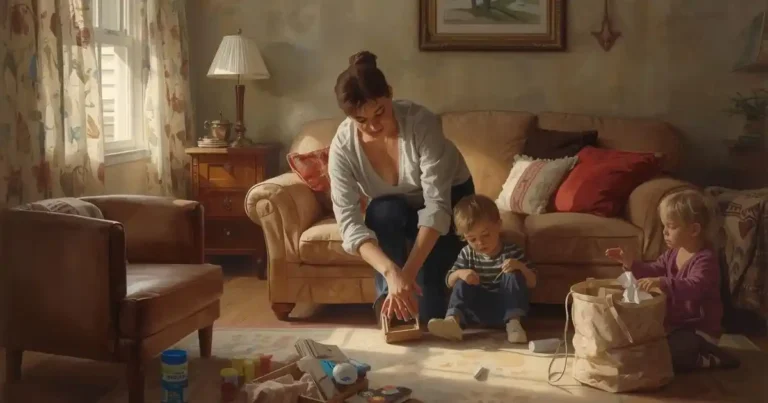
You turn around for two seconds and suddenly your toddler is standing on the sofa cushions, leaping across the couch like it’s an indoor obstacle course. No matter how many times you say “please get down,” the climbing continues.
For many parents, figuring out how to keep kids from climbing on couch furniture becomes a daily frustration — especially when you’ve invested in a beautiful home you want to protect.
The good news is this: couch climbing is completely normal for toddlers and young children. In most cases, children are not being “bad.” They’re exploring movement, testing boundaries, and burning energy.
The key is learning how to guide that behavior calmly without turning your living room into a constant battleground.
In this guide, we’ll cover practical ways to reduce couch climbing, protect your furniture, and create a stylish family-friendly home that works for both children and adults.
If you’re looking for more ways to protect your home while raising young children, read our How to Protect Your Furniture From Kids: The Parent’s Survival Guide.
Why Kids Climb on Couches in the First Place
Before solving the problem, it helps to understand why children do it.
Climbing Is a Normal Part of Development
Toddlers and young children are naturally driven to move. Climbing helps develop:
- Balance
- Coordination
- Core strength
- Confidence
- Spatial awareness
Your sofa simply happens to be one of the easiest climbing structures available indoors.
For active children between ages 2–6, climbing is often a healthy developmental behavior rather than deliberate misbehavior.
Sofas Feel Safe and Exciting
Couches are soft, elevated, and fun.
To a child, the sofa may feel like:
- A mountain
- A trampoline
- A fort
- A stage
- A playground
Children also repeat behaviors that get strong emotional reactions. If climbing always leads to shouting, chasing, or attention, the behavior can accidentally become more rewarding.
Why Constant “No” Doesn’t Work
Many parents fall into a cycle:
- Child climbs
- Parent says “stop”
- Child laughs
- Parent becomes frustrated
- Repeat all day
Young children struggle with impulse control. Simply telling them “don’t climb” without offering alternatives rarely solves the issue long-term.
Instead of focusing only on stopping the behavior, it’s far more effective to redirect it safely.
Create a “Yes Space” for Climbing Instead
One of the best parenting strategies is creating safe opportunities for movement.
Instead of saying “no” constantly, create environments where your child can climb appropriately.
Offer Safe Climbing Alternatives
Children often climb sofas because they need physical activity indoors.
Consider adding:
- Soft play equipment
- Indoor climbing frames
- Floor cushions
- Play couches
- Foam blocks
- Activity mats
When children have a designated movement area, the sofa becomes less exciting.
This approach works especially well in modern open-plan family homes common across Ireland.
Redirect Calmly Instead of Punishing
When your child climbs the couch:
- Stay calm
- Avoid yelling
- Gently redirect them
For example:
“The couch is for sitting. Let’s climb over here instead.”
Consistency matters more than intensity.
Children learn through repetition and calm boundaries, not fear or punishment.
Make Movement Part of Daily Life
Many children climb more when they’re under-stimulated indoors.
Simple activities can help burn energy:
- Outdoor walks
- Playground visits
- Indoor dance breaks
- Obstacle courses
- Family movement games
The more opportunities children have for healthy movement, the less likely they are to use the furniture as a playground.
Set Clear Couch Rules Without Power Struggles
Children respond best to simple, predictable boundaries.
Keep Rules Short and Easy to Understand
Avoid long explanations.
Instead, use simple phrases like:
- “We sit on couches.”
- “Feet stay down.”
- “Couches are not for jumping.”
Short language is easier for toddlers to process.
Stay Calm and Consistent
One of the biggest mistakes parents make is responding differently each time.
If couch climbing is ignored one day but punished harshly the next, children receive mixed signals.
Consistency helps children understand expectations faster.
Praise the Behavior You Want
Positive reinforcement is powerful.
When your child sits appropriately:
- Notice it
- Praise it calmly
For example:
“Thank you for sitting nicely on the sofa.”
Children often repeat behaviors that gain positive attention.
Avoid Turning It Into a Game
Some children climb because they enjoy the reaction.
Try not to:
- Chase them dramatically
- Turn correction into play
- Laugh while correcting
Calm, neutral responses reduce the excitement around the behavior.
Rearrange Your Living Room to Reduce Climbing Temptation
Sometimes the environment itself encourages climbing.
A few small layout changes can make a big difference.
Remove “Launch Zones”
Children love climbing from one surface to another.
Move tempting items away from the couch:
- Side tables
- Ottomans
- Toy bins
- Window ledges
The fewer opportunities for climbing circuits, the better.
Reduce Living Room Overstimulation
Too many toys in the living room can increase chaotic behavior.
Instead:
- Rotate toys weekly
- Keep only a few accessible
- Use hidden storage
- Create calmer visual spaces
A calmer room often leads to calmer behavior.
Choose Family-Friendly Furniture
Some furniture simply handles family life better than others.
Look for:
- Durable upholstery
- Easy-clean fabrics
- Rounded corners
- Stable frames
- Washable cushion covers
At Kids M&I Interiors, many parents choose premium children’s furniture and family-friendly interior solutions that combine elegance with durability for modern Irish homes.
Beautiful interiors do not have to disappear once children arrive.
What to Do When Guests Are Over
Many parents notice couch climbing gets worse when visitors arrive.
That’s completely normal.
Why Kids Become More Hyper Around Guests
Children often experience:
- Excitement
- Overstimulation
- Attention-seeking behavior
The extra energy can quickly lead to jumping and climbing.
Prepare Before Guests Arrive
A little preparation helps enormously.
Before visitors come:
- Let children burn energy outside
- Offer a snack
- Explain expectations calmly
- Set up quiet activities
Children handle social situations better when their movement needs are already met.
Create a Kid-Friendly Gathering Space
Instead of expecting children to sit still for hours, create a small activity zone nearby.
Ideas include:
- Floor cushions
- Colouring stations
- Soft play corners
- Reading nooks
Giving children their own comfortable area often reduces climbing behavior naturally.
The Best Couch Materials for Homes With Kids
If you have young children, furniture durability matters.
Not all sofas are equally family-friendly.
Performance Fabrics Work Well for Families
Many modern sofas now use performance fabrics designed to resist:
- Stains
- Spills
- Wear
- Scratches
These fabrics are ideal for busy family homes.
Microfiber and washable slipcovers are also practical choices for parents.
Is Leather Furniture Good for Kids?
Leather sofas can work well for families because they:
- Wipe clean easily
- Resist spills
- Look luxurious
However, they may also:
- Scratch more visibly
- Feel slippery for active toddlers
- Show wear over time
For a full breakdown, read Is Leather Furniture Good for Kids? Pros, Cons & Alternatives.
Why Cheap Furniture Often Costs More Long-Term
Lower-quality furniture may seem budget-friendly initially, but active family life can wear it down quickly.
Investing in durable furniture often saves money over time because:
- Frames last longer
- Fabrics resist damage
- Cushions maintain shape
- Surfaces stay attractive longer
Families increasingly want interiors that can grow alongside their children rather than needing replacement every few years.
Teach Safe Indoor Movement Instead of “No Climbing”
The goal isn’t stopping movement entirely.
Children need movement.
The goal is teaching safe movement.
Show Children What They CAN Do
Instead of only correcting behavior, teach alternatives.
For example:
- Jump outside
- Climb at playgrounds
- Build cushion forts safely
- Use indoor stepping stones
- Dance indoors
Children respond better when they know where movement is allowed.
Encourage Healthy Physical Activity
Movement supports:
- Emotional regulation
- Coordination
- Confidence
- Sleep quality
- Focus
Children who regularly move their bodies often struggle less with destructive indoor behaviors.
Balance Beautiful Interiors With Real Family Life
Parents should not feel forced to choose between:
- A stylish home
- A child-friendly home
The best family interiors support both.
Modern family design is increasingly about:
- Smart storage
- Durable materials
- Flexible layouts
- Functional beauty
This is why many Irish families work with brands like Kids M&I Interiors to create children’s spaces that feel magical, practical, and cohesive with the rest of the home.
When Couch Climbing May Signal Something Else
In most cases, couch climbing is completely typical childhood behavior.
However, some children may have higher sensory or movement needs than others.
Signs to Watch For
You may notice:
- Constant crashing into furniture
- Excessive climbing throughout the day
- Difficulty sitting still even briefly
- Seeking intense movement constantly
This does not automatically mean something is wrong.
Some children simply need more physical input and activity.
When to Seek Advice
If climbing behaviors feel extreme or unsafe regularly, parents may benefit from discussing concerns with:
- Pediatric professionals
- Occupational therapists
- Child development specialists
Supportive guidance can help families better understand their child’s movement needs.
Final Thoughts
Learning how to keep kids from climbing on couch furniture is less about strict discipline and more about creating a home environment that works for real family life.
Children climb because they are curious, energetic, and developing important physical skills. The solution is not endless arguments or constant punishment.
Instead, focus on:
- Safe movement alternatives
- Calm consistency
- Thoughtful room design
- Durable family-friendly furniture
With the right balance, you can create a home that feels:
- Beautiful
- Functional
- Calm
- Child-friendly
And most importantly, a home where both parents and children can truly enjoy living together.
For more family-friendly interior inspiration, explore:
- How to Protect Your Furniture From Kids: The Parent’s Survival Guide
- Is Leather Furniture Good for Kids? Pros, Cons & Alternatives
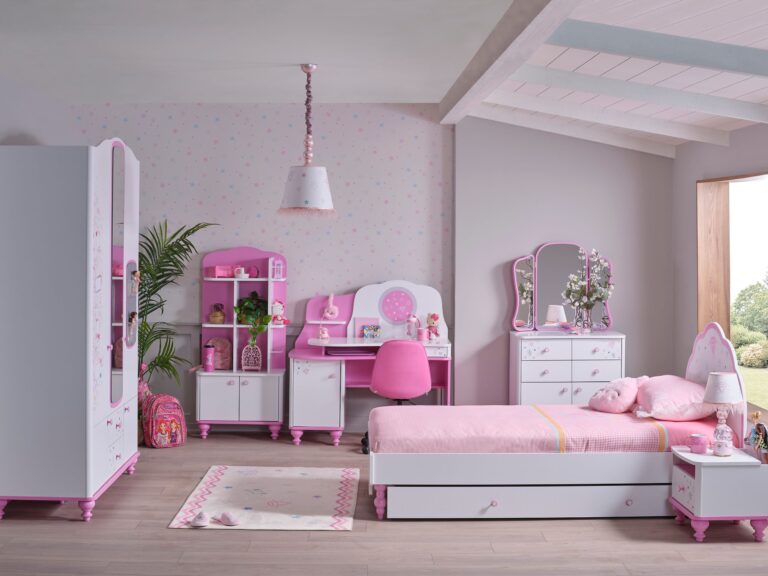
And if you’re designing a stylish children’s room or upgrading your family interiors, Kids M&I Interiors offers premium kids furniture, storage solutions, and luxury bedroom designs tailored for modern Irish families.