
When to Move From Crib to Toddler Bed (Complete Parent Guide)
When to move from crib to toddler bed? Making the move from a crib to a toddler bed is one of those parenting milestones that feels both exciting and slightly daunting. If you’re asking yourself, “Is it too early or too late to move my child?”—you’re not alone.
Many parents face this transition with a mix of concerns:
- Your toddler suddenly climbing out of the crib
- Ongoing sleep disruptions
- Growing safety worries
The truth is, there’s no one-size-fits-all answer. But with the right guidance, you can make a confident decision that supports both your child’s development and your home.
In this complete guide, you’ll learn:
- The ideal age range for transitioning
- Clear signs your toddler is ready
- How to make the move smooth and stress-free
- How to choose a safe, stylish toddler bed that fits your home
When Should You Move From a Crib to a Toddler Bed?
Typical Age Range
Most toddlers transition from a crib to a bed between 18 months and 3 years old.
However, this range is only a guideline—not a rule.
Some children are ready earlier due to physical development or curiosity, while others feel secure in their crib well into their third year.
The “Right Time” Isn’t Just About Age
What matters more than age is developmental readiness.
Your child’s behaviour, independence, and sleep patterns will tell you far more than a number. Recognising these readiness signals is key to a smooth and successful transition.
7 Signs Your Toddler Is Ready for a Bed
If you notice several of these signs, it’s likely time to consider making the move:
- Climbing out of the crib
This is the biggest safety red flag—once it starts, a transition becomes urgent. - Asking for a “big kid bed”
Curiosity and excitement about growing up are strong readiness indicators. - Potty training has begun
Easy access at night becomes important. - Crib limits are reached
Height or weight restrictions mean it’s no longer safe. - Sleep resistance in the crib
If bedtime has become a battle, the crib may feel restrictive. - Increased independence
Your child wants more control over their environment. - A new sibling is arriving
The crib may be needed for the baby, prompting the transition.
Is It Ever Too Early to Switch?
Risks of Moving Too Soon
Transitioning before your toddler is ready can create challenges:
- Disrupted sleep routines
- Frequent wandering at night
- Increased safety risks without boundaries
A crib provides natural containment, which supports better sleep for younger toddlers.
When Early Transition Makes Sense
There are situations where moving early is the right choice:
- Climbing = immediate safety risk
- Your child has physically outgrown the crib
In these cases, delaying the transition can be more dangerous than making the switch.
Is It Too Late to Switch?
If your child is closer to age 3 and still in a crib, don’t worry—it’s not “too late.”
Signs You May Have Waited Longer
- Your child seems cramped or uncomfortable
- They show interest in independence
- They’re ready for a more “grown-up” space
Why Delayed Transitions Can Still Work
Some children benefit from staying in a crib longer—it can mean:
- More stable sleep habits
- Fewer early bedtime struggles
The key is making the transition when it feels natural for your child—not rushed.
Crib vs Toddler Bed: Key Differences
Understanding the difference helps you make the right choice:
Size & Structure
- Cribs are enclosed and restrictive
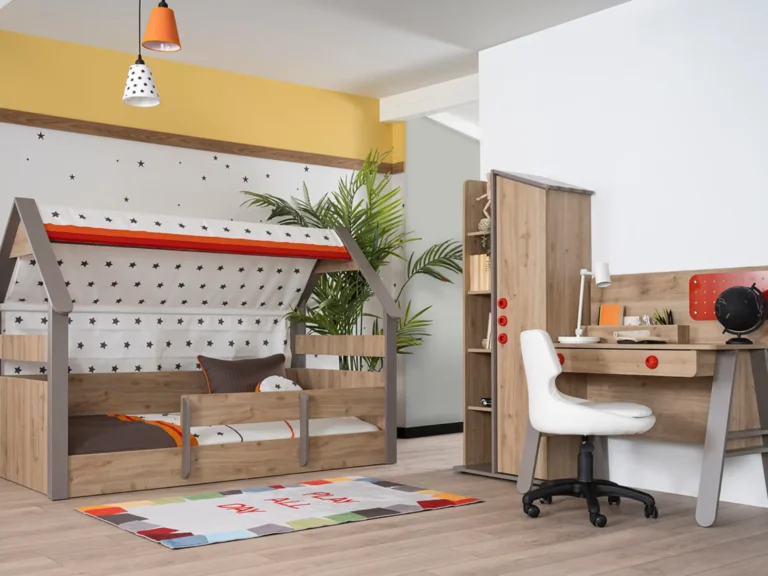
- Toddler beds are low to the ground and open
Safety Features
- Toddler beds include guardrails to prevent falls
Accessibility
- Toddlers can get in and out independently
Emotional Impact
- A toddler bed encourages a sense of independence and growth
For design-conscious parents, this is also the moment when a child’s room begins to feel like a complete, styled space—not just a nursery.
How to Transition Smoothly (Step-by-Step)
A thoughtful approach makes all the difference.
Step 1 – Prepare the Room
Before introducing the bed, ensure the room is fully safe:
- Anchor furniture to the wall
- Cover electrical outlets
- Remove sharp or hazardous items
- Add soft rugs or carpets near the bed
Think of the room as a safe sleep environment—not just the bed itself.
Step 2 – Introduce the Bed Positively
Make the transition exciting:
- Let your child explore the new bed
- Involve them in choosing bedding or themes
- Talk about becoming a “big kid”
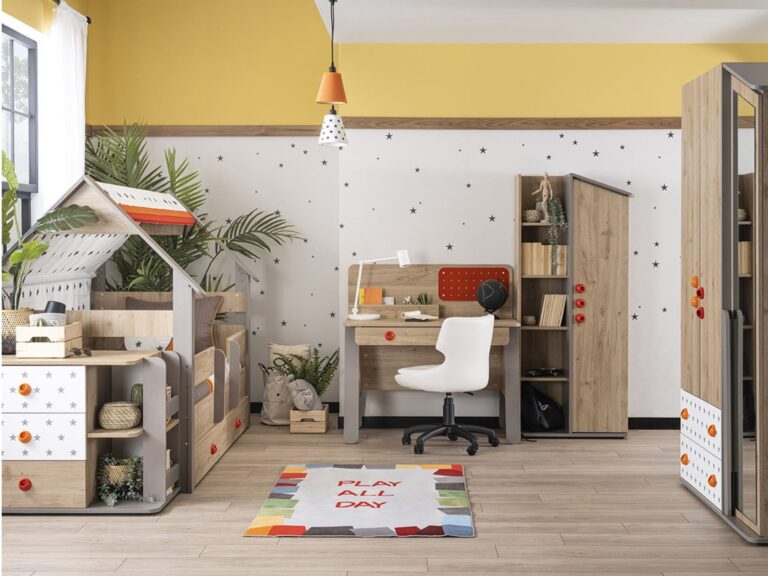
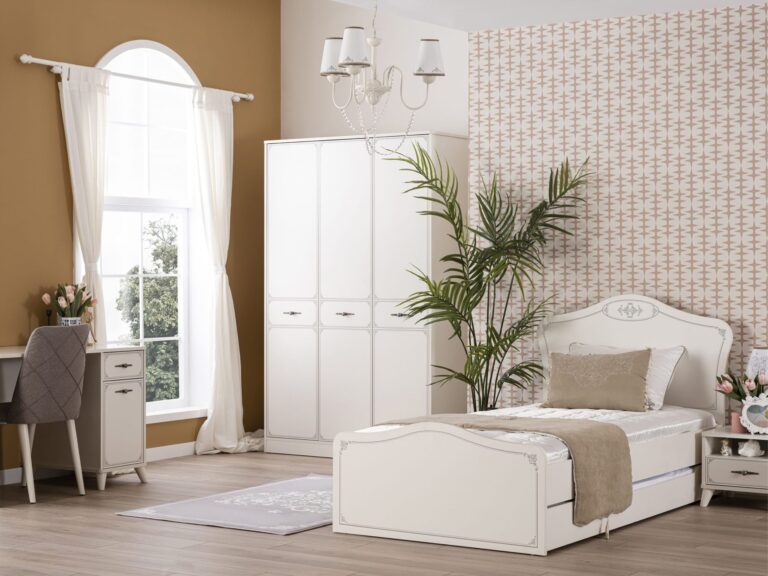
For design-focused parents, this is the perfect opportunity to create a beautiful, cohesive bedroom your child will love. For choosing the room set during that change, read our crib-to-toddler bedroom set transition guide.
Step 3 – Keep a Consistent Routine
Consistency is everything:
- Maintain the same bedtime routine
- Use familiar blankets or toys
- Keep lighting and sounds consistent
A familiar routine provides comfort during change.
Step 4 – Expect Some Resistance
It’s completely normal for toddlers to test boundaries:
- Getting out of bed repeatedly
- Calling for parents more often
Stay calm, consistent, and patient. Most children adjust within a few weeks.
Safety Tips Every Parent Should Follow
Safety should always come first when choosing and setting up a toddler bed:
- Use built-in guardrails
- Choose a low-to-ground bed
- Keep the surrounding floor area clear
- Avoid placing beds near windows or cords
- Monitor nighttime movement initially
For parents investing in premium interiors, safety and design should go hand in hand—never one without the other.
Choosing the Right Toddler Bed
This is where function meets design.
What to Look For
- Solid, durable materials (not flimsy frames)
- Timeless design that grows with your child
- Low height for easy access
- Compatibility with matching furniture sets
Many parents in Ireland struggle to find options that balance style, safety, and durability—especially when aiming for a cohesive room.
Why Quality Matters
Investing in high-quality furniture offers long-term benefits:
- Lasts for years, not just months
- Provides better stability and safety
- Creates a cohesive, clutter-free space
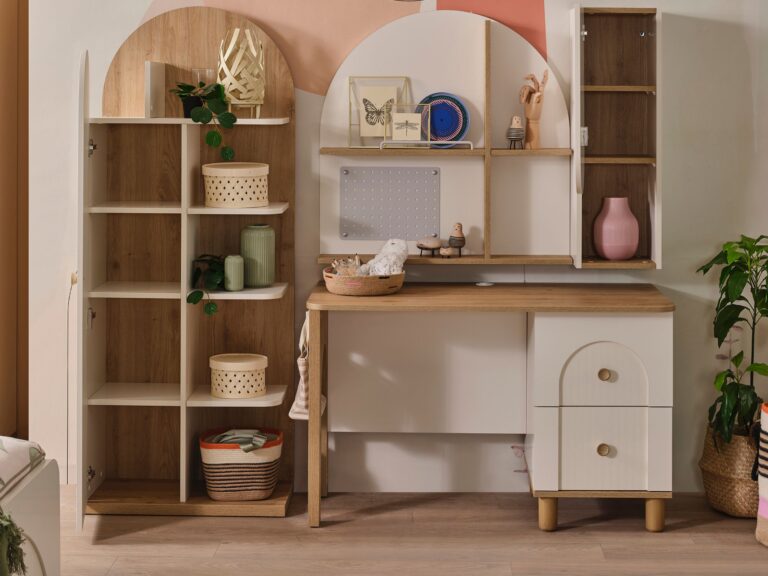
Brands like M&I Interiors – Kids Furniture focus on exactly this—design-led children’s rooms that combine:
- Premium materials
- Thoughtful layouts
- Complete bedroom solutions (bed, storage, desks, décor)
Instead of piecing together mismatched items, parents can create a beautiful, functional space that evolves with their child.
Should You Skip the Toddler Bed Altogether?
Some parents consider going straight to a single (full-size) bed.
Pros
- Longer-term investment
- No need for another transition later
Cons
- Higher fall risk
- Less suited to smaller toddlers
- Can feel overwhelming for younger children
Best Option?
- Younger toddlers (18–2.5 years): Toddler bed is ideal
- Older toddlers (2.5–3+ years): You may consider skipping ahead
Your decision should balance safety, space, and your child’s personality.
FAQs – When to Move From Crib to Toddler Bed
Conclusion: Creating a Safe, Beautiful Transition
Moving from a crib to a toddler bed is more than just a practical change—it’s a meaningful step in your child’s development.
Remember:
- Every child is different—timing matters
- Safety should always come first
- The right environment makes all the difference
For many modern parents, this transition is also an opportunity to create something special—a room that’s not only functional, but beautiful, inspiring, and designed to grow with their child.
With thoughtfully chosen furniture and a cohesive layout, you can transform your child’s room into a space they truly love.
Create a safe, beautiful space your child will love growing into.