
How to Make Kids Beds: DIY Frames & Builds for Beginners
Creating a child’s dream bedroom is about more than choosing colourful décor or adding toys. For many parents, the bed becomes the centrepiece of the room — a place where children sleep, play, read, and grow. That’s why more families are searching for ways to learn how to make kids beds that are stylish, durable, and tailored to their child’s needs.
DIY kids beds have become increasingly popular among Irish homeowners who want furniture that feels more personal than generic flat-pack options. Whether you’re building a simple wooden frame, a Montessori floor bed, or a themed house bed, a DIY project can help you create a bedroom that reflects your child’s personality while fitting perfectly into your home.
At the same time, many parents also want bedrooms that look elegant, cohesive, and functional. That’s where premium brands like Kids M&I Interiors stand out, helping families across Ireland create luxury children’s bedrooms with matching furniture, storage, and timeless design.
Before starting your project, it’s worth understanding standard kids bed sizes and dimensions so your design works comfortably within the room and suits your child’s age.
Why Parents Are Choosing DIY Kids Beds
Customisation for Modern Family Homes
One of the biggest reasons parents choose DIY kids beds is flexibility. Every home is different, and children’s bedrooms often come with awkward layouts, limited storage, or unique design ideas that standard furniture doesn’t always solve.
A handmade bed allows parents to:
- Match the room’s interior design
- Add built-in storage
- Create themed spaces
- Optimise smaller bedrooms
- Choose premium materials
This is especially appealing for families in modern Irish homes where clean aesthetics and smart storage are priorities.
House-frame beds, Scandinavian-inspired designs, and minimalist wooden platform beds have become particularly popular because they blend functionality with style.
Better Durability Than Cheap Flat-Pack Furniture
Many parents become frustrated after buying low-cost furniture that weakens after only a few years. Children naturally put more wear and tear on furniture, which means quality construction matters.
DIY beds built with solid timber can often outlast cheaper alternatives because they:
- Use stronger materials
- Include better structural support
- Avoid weak particleboard
- Can be repaired or upgraded later
A well-built bed also grows with your child, making it a more sustainable long-term option.
Creating a Unique Bedroom Experience
A child’s bedroom should feel exciting and comforting at the same time. DIY furniture gives parents the chance to create something completely unique.
Whether it’s:
- A castle-inspired bed
- A cosy Montessori floor setup
- A modern luxury room
- Or a playful house-frame design
The bed becomes part of the child’s imagination and daily routine.
At Kids M&I Interiors, many families begin with Pinterest-inspired DIY ideas before deciding to invest in a professionally designed luxury children’s bedroom that transforms the entire space.
What You Need Before Building a Kids Bed
Choose the Right Bed Size
Before cutting timber or buying tools, you’ll need to decide on the correct bed size. The right dimensions depend on your child’s age, room size, and how long you want the bed to last.
Common options include:
- Toddler beds
- Single beds
- Small double beds
- Bunk beds
- Montessori floor beds
If you’re unsure which dimensions work best, read our complete kids bed size guide before starting your build.
Planning ahead also helps you leave enough room for:
- Storage units
- Study desks
- Toy organisation
- Safe walking space
Essential Tools for Beginners
You don’t need a professional workshop to build a simple kids bed. Most beginner-friendly projects only require a few essential tools:
- Drill
- Screws
- Measuring tape
- Wood glue
- Clamps
- Orbital sander
- Spirit level
- Safety goggles
If you plan to build multiple furniture pieces later, investing in higher-quality tools can make future projects much easier.
Best Materials for DIY Kids Beds
The material you choose will affect the bed’s appearance, durability, and cost.
Pine
Affordable and beginner-friendly, pine is one of the most popular DIY options.
Oak
Oak is more expensive but extremely durable and ideal for luxury finishes.
MDF
MDF is budget-friendly but less durable over time and vulnerable to moisture damage.
Plywood
Strong and versatile, plywood works well for modern minimalist bed frames.
Parents looking for timeless bedroom furniture often prefer natural timber because it creates a warmer and more premium look.
Safety Rules Every Parent Should Follow
Safe Mattress Heights
Children’s beds should always prioritise safety over aesthetics. Younger children especially benefit from lower mattress heights that reduce the risk of falls.
If you’re building raised beds or bunk beds, make sure you include:
- Guard rails
- Stable ladders
- Secure joints
- Proper spacing between slats
Sanding and Paint Safety
Children frequently touch every surface in their room, so smooth finishes matter.
Always:
- Sand rough edges thoroughly
- Round sharp corners
- Use child-safe paints
- Avoid toxic finishes
Non-toxic water-based paints are usually the safest option for children’s furniture.
Weight Capacity and Structural Support
Weak support structures are one of the most common DIY mistakes.
Make sure your build includes:
- Strong centre support beams
- Correct slat spacing
- Reinforced joints
- Proper screw placement
Premium furniture specialists like Kids M&I Interiors prioritise structural integrity and child-safe materials in every bedroom installation.
Easy DIY Kids Bed Frame Ideas for Beginners
Simple Wooden Platform Bed
A wooden platform bed is one of the easiest projects for beginners because it uses a straightforward frame structure.
Why Parents Love It
- Minimalist design
- Affordable materials
- Modern appearance
- Easy to customise
Basic Build Process
- Cut timber to size
- Build the outer frame
- Install support slats
- Sand the wood
- Paint or stain
- Add the mattress
This type of bed works particularly well in Scandinavian-inspired bedrooms.
House Frame Kids Bed
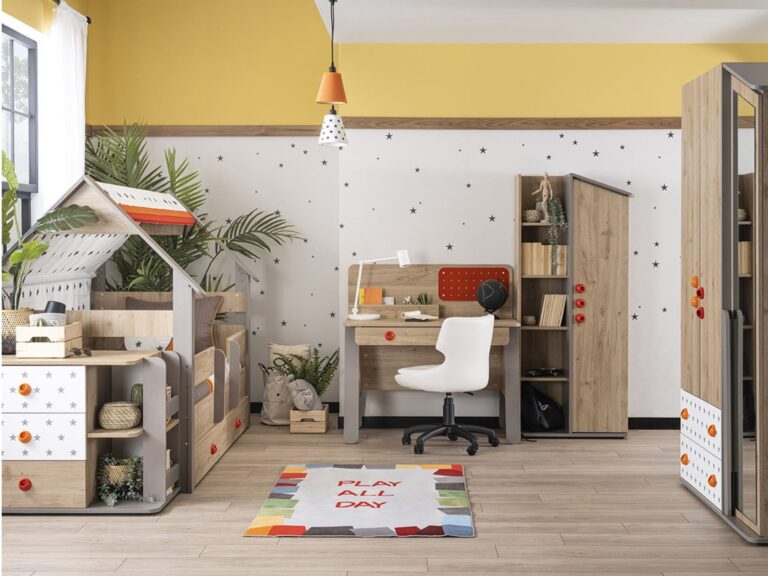
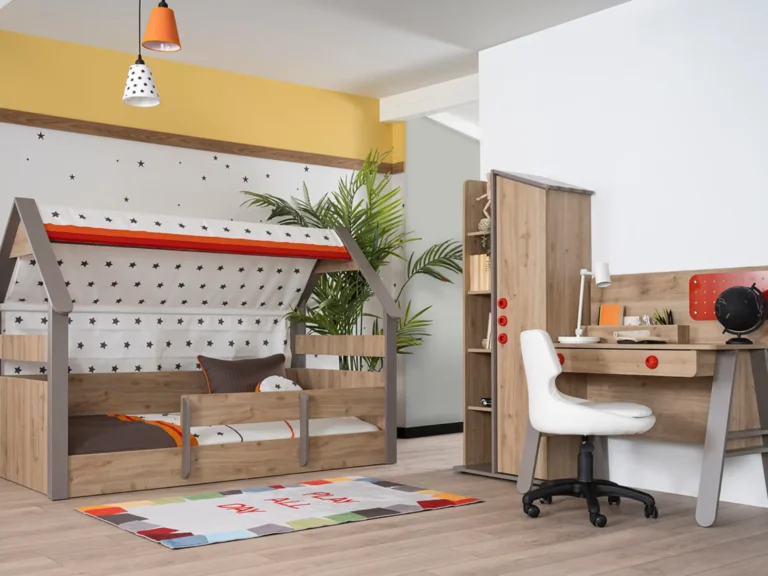
House-frame beds are hugely popular on Instagram and Pinterest because they instantly make a room feel magical.
These beds use a pitched roof frame over the mattress area, creating a playful structure children love.
Styling Ideas
- Fairy lights
- Soft curtains
- Canopies
- Neutral timber finishes
- Minimalist décor
This design works especially well for parents who want a bedroom that feels stylish enough to match the rest of the home.
Storage Beds with Drawers
Storage beds are ideal for modern family homes where organisation is essential.
Built-in drawers can help reduce clutter by storing:
- Toys
- Bedding
- Seasonal clothes
- Books
While DIY storage beds are achievable for experienced beginners, many parents eventually choose professionally designed fitted furniture for a more polished result.
That’s where Kids M&I Interiors helps create cohesive luxury bedrooms with integrated storage solutions that maximise space beautifully.
Montessori Floor Beds
Montessori-style floor beds have become increasingly popular with younger children because they encourage independence and accessibility.
Benefits include:
- Easier access for toddlers
- Minimalist aesthetics
- Safer sleeping environments
- Encourages self-confidence
They also pair beautifully with modern neutral interiors that many Irish homeowners prefer today.
You can also combine these beds with smart kids bedroom storage ideas to create a cleaner and more organised room.
Step-by-Step Beginner DIY Bed Build Process
Step 1 — Measure the Room Properly
Accurate measurements are critical before starting any build.
Make sure you consider:
- Walking space around the bed
- Door clearance
- Storage placement
- Desk positioning
- Window access
A bed that looks perfect online may overwhelm a smaller room if proportions aren’t carefully planned.
Step 2 — Create a Basic Plan
Even a rough sketch helps avoid expensive mistakes.
You can use:
- Graph paper
- Pinterest inspiration
- Free online design tools
Planning allows you to visualise the final result before buying materials.
Step 3 — Buy Materials and Hardware
Your total cost will vary depending on:
- Timber quality
- Bed size
- Paint finishes
- Storage additions
Simple DIY kids beds may cost around €150–€350, while more advanced storage beds can exceed €900.
If you’re comparing DIY projects against buying ready-made furniture, our guide on how much kids beds cost can help you budget more accurately.
Step 4 — Assemble the Base Frame
Start with the outer frame first before installing slats and decorative features.
Helpful beginner tips:
- Pre-drill holes to avoid splitting timber
- Use clamps for alignment
- Double-check measurements frequently
- Build on a level surface
Patience is important here because rushed assembly often creates weak joints.
Step 5 — Paint, Finish and Style the Bed
The final finish dramatically affects the overall appearance.
Popular design trends include:
- Neutral whites
- Natural oak stains
- Soft beige tones
- Scandinavian-inspired palettes
Many Irish families now prefer timeless finishes that continue looking stylish as children grow older.
Some parents begin with DIY furniture before later investing in complete luxury bedroom transformations from Kids M&I Interiors for a more cohesive interior design.
Common DIY Kids Bed Mistakes to Avoid
Choosing Weak Materials
Cheap timber often warps over time, especially in humid environments.
Investing slightly more upfront can significantly improve durability.
Ignoring Room Layout
A bed that’s too large can make the room feel cramped and cluttered.
Always leave enough room for:
- Storage
- Desks
- Toy access
- Safe movement
Poor Mattress Support
Incorrect slat spacing can cause mattresses to sag prematurely.
Most beds require evenly spaced slats with strong centre support.
Skipping Safety Features
Parents should never overlook:
- Guard rails
- Anchored furniture
- Rounded corners
- Stable ladders
Safety should always come before aesthetics.
DIY vs Buying a Professionally Designed Kids Bed
When DIY Makes Sense
DIY projects are ideal for:
- Budget-conscious families
- Creative parents
- Temporary bedroom solutions
- Custom one-off designs
They also offer a rewarding sense of accomplishment.
When Professional Furniture Is Worth It
Professionally designed furniture often becomes the better option when parents want:
- Luxury finishes
- Full-room transformations
- Long-term durability
- Matching furniture collections
- Professional installation
For families seeking premium children’s interiors, Kids M&I Interiors creates beautifully designed bedrooms with coordinated beds, desks, storage, and décor tailored for modern Irish homes.
You can also compare overall pricing in our full kids bed budget guide.
Best Kids Bedroom Design Trends in Ireland
Modern children’s bedroom design has evolved significantly in recent years.
Popular trends now include:
- Scandinavian interiors
- Neutral colour palettes
- Built-in storage
- Montessori-inspired layouts
- Luxury themed bedrooms
- Minimalist timber furniture
Today’s parents want rooms that feel stylish enough to complement the rest of the home while still feeling magical for children.
This shift toward premium aesthetics is one reason luxury brands like Kids M&I Interiors continue growing among design-focused Irish families.
FAQs
Conclusion
Learning how to make kids beds can be a rewarding project that combines creativity, practicality, and personalised design. Whether you choose a simple wooden platform frame or a stylish house bed, DIY furniture allows you to create a bedroom tailored specifically to your child and your home.
The most important factors are always:
- Safety
- Durability
- Smart room planning
- Timeless design
For some families, a DIY project becomes the first step toward a complete luxury bedroom transformation. Kids M&I Interiors helps Irish parents create elegant, functional children’s spaces with premium furniture, integrated storage, and beautifully coordinated interiors designed to grow with the child for years to come.
Before planning your next bedroom upgrade, you may also want to explore our guides on kids bed sizes and dimensions and how much kids beds cost.