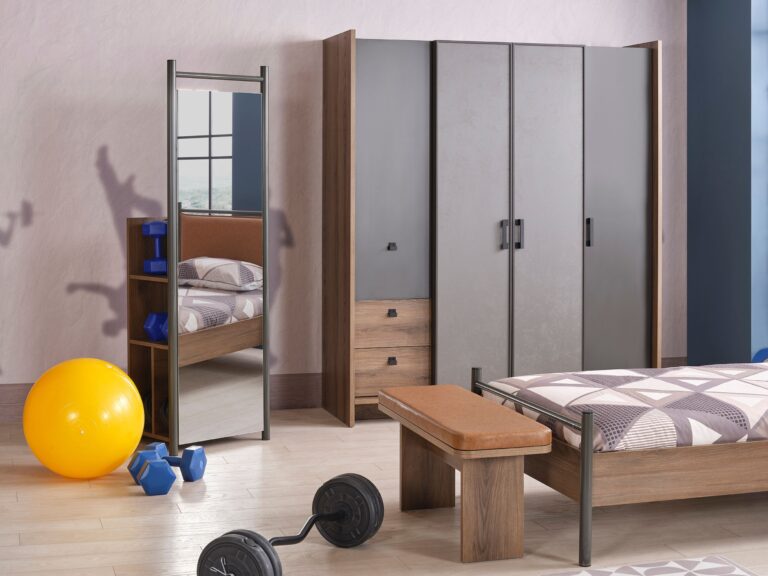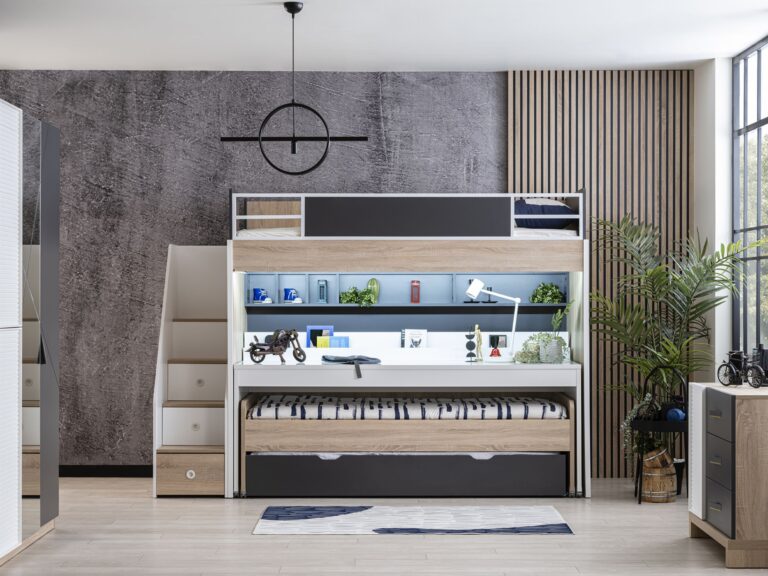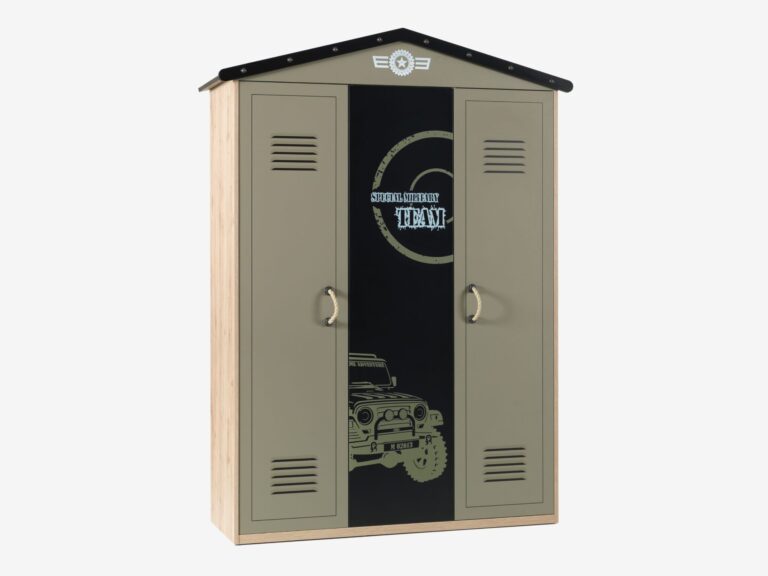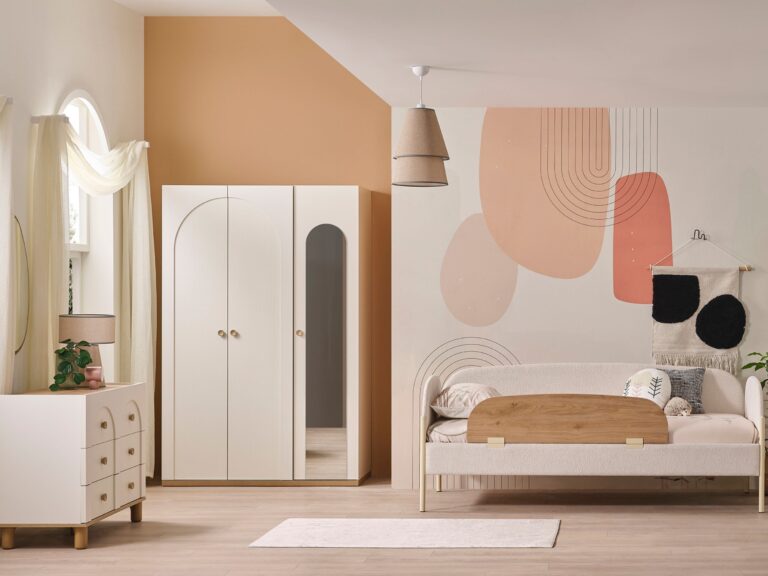

How to Arrange Kids’ Bedroom Furniture: Layouts That Actually Work
Designing a child’s bedroom is about far more than simply fitting a bed, wardrobe, and desk into a space. A well-planned layout can improve organisation, encourage creativity, support better sleep, and make everyday family life much easier.
For many parents, however, figuring out how to arrange kids bedroom furniture can quickly become overwhelming. Between toy clutter, awkward room shapes, limited storage, and growing children with changing needs, creating a functional yet beautiful bedroom often feels impossible.
That’s where thoughtful furniture placement makes all the difference.
At Kids M&I Interiors, we help Irish families create stylish, practical, and luxury children’s bedrooms that grow with their children while complementing modern homes. Whether you’re designing a small box room in Dublin, a shared sibling bedroom in Kildare, or a luxury themed space in Wicklow, the right layout transforms how the room looks and functions.
In this guide, you’ll learn:
- How to place furniture in kids rooms properly
- The best layouts for small and shared bedrooms
- Smart storage placement ideas
- Desk and bed positioning tips
- Common layout mistakes to avoid
- Luxury children’s bedroom design ideas that actually work
Why Furniture Layout Matters in a Kids’ Bedroom
The layout of a child’s bedroom impacts much more than appearance. The way furniture is arranged directly affects how children sleep, play, learn, and organise their belongings.
A poorly arranged room often creates:
- Cluttered walkways
- Limited floor space
- Difficult storage access
- Poor lighting
- Stressful daily routines
On the other hand, a smart furniture layout creates structure and functionality while still feeling playful and welcoming.
Better Layouts Improve Daily Routines
Children thrive in organised spaces. When wardrobes, toy storage, desks, and beds are positioned thoughtfully, daily routines become easier for both children and parents.
Simple improvements such as:
- placing storage near play zones,
- keeping school supplies close to desks,
- and maintaining clear walkways
can significantly reduce mess and frustration.
A well-designed room also makes tidying easier, encouraging children to become more independent with organisation.
Good Furniture Placement Helps Rooms Grow With Your Child
One of the biggest mistakes parents make is designing a room only for their child’s current age.
Children’s needs change quickly. A toddler’s room focused on play will eventually need:
- homework areas,
- larger storage solutions,
- tech-friendly spaces,
- and more mature design elements.
Flexible furniture layouts allow rooms to evolve without requiring a complete redesign every few years.
Layout Impacts Sleep, Focus & Creativity
The arrangement of furniture can also influence mood and behaviour.
For example:
- desks near natural light improve focus,
- open floor areas encourage imaginative play,
- and cozy sleep zones support bedtime routines.
This balance between practicality and comfort is what makes professionally designed kids’ rooms feel effortless.
Before You Arrange Anything: Measure the Room Properly
Before moving furniture or purchasing new pieces, it’s essential to understand the room’s dimensions and limitations.
Many layout problems happen because furniture is chosen before the room is planned properly.
Start With the Largest Furniture Piece
The bed is typically the focal point of the room and should be positioned first.
After placing the bed, arrange:
- Wardrobes
- Desks
- Storage units
- Decorative furniture
This creates a natural flow and prevents overcrowding.
Identify Windows, Radiators & Door Clearance
When learning how to place furniture in kids room layouts effectively, structural features matter.
Avoid:
- blocking windows,
- covering radiators,
- or restricting door movement.
Natural light should remain accessible, especially around study zones and play areas.
In many Irish family homes, particularly newer builds, children’s bedrooms can be compact. Careful planning ensures the room still feels spacious and functional.
Create Activity Zones
One of the most effective kids bedroom design strategies is dividing the room into zones.
These usually include:
- Sleep zone
- Study zone
- Play zone
- Storage zone
This helps rooms feel organised even when space is limited.
Parents looking for more personalised solutions may also explore custom kids furniture ideas or read our guide on how to make kids furniture for tailored storage and layout solutions that maximise functionality.
How to Arrange Kids Bedroom Furniture in Small Rooms
Small bedrooms require strategic furniture placement to avoid feeling cramped.
Many Irish homes feature smaller “box rooms,” especially in urban areas like Dublin or renovated family homes where space must work harder.
Fortunately, thoughtful layouts can make even compact rooms feel open and luxurious.
Place the Bed Against the Longest Wall
Positioning the bed against the longest wall usually creates the best traffic flow.
This approach:
- opens central floor space,
- improves movement,
- and makes the room feel larger visually.
Avoid floating beds in small rooms unless the space is exceptionally wide.
Use Vertical Storage to Save Space
When floor space is limited, vertical storage becomes essential.
Effective options include:
- tall wardrobes,
- wall shelving,
- mounted book storage,
- and overhead cabinets.
Luxury children’s furniture often incorporates built-in vertical storage seamlessly into the design.
Choose Multi-Functional Furniture
Modern families increasingly prefer furniture that serves multiple purposes.
Examples include:
- storage beds,
- ottoman benches,
- foldable desks,
- and beds with integrated drawers.
These solutions reduce clutter while maintaining a clean aesthetic.
Parents searching for space-saving kids furniture often find that premium designs outperform cheaper flat-pack alternatives in both durability and functionality.
Keep the Centre of the Room Open
One of the simplest yet most effective layout principles is preserving open floor space.
Children need room for:
- playing,
- reading,
- building toys,
- and movement.
Avoid placing too many furniture pieces in the centre of the room.
Even luxury rooms should feel airy rather than overcrowded.
Best Furniture Placement for Shared Kids Bedrooms
Shared bedrooms can be challenging, especially when balancing storage, privacy, and different personalities.
However, with the right layout, shared rooms can become beautifully organised and highly functional.
Position Beds to Create Personal Space
The arrangement of beds defines the room’s overall structure.
Popular layouts include:
- parallel twin beds,
- L-shaped layouts,
- bunk beds,
- or opposing wall placement.
Each child should feel they have their own dedicated area.
Use Furniture to Divide Zones
Bookshelves, storage units, or rugs can subtly divide the room into individual sections.
This creates:
- visual separation,
- better organisation,
- and a sense of ownership for each child.
Double Desk Layout Ideas
As children grow older, shared rooms often require dual study spaces.
Effective desk arrangements include:
- side-by-side desks beneath windows,
- opposing wall setups,
- or custom built-in desk units.
Natural lighting remains especially important for homework areas.
Storage Strategies for Shared Rooms
Shared rooms need significantly more storage than single bedrooms.
Consider:
- labelled drawers,
- individual wardrobes,
- toy bins,
- and under-bed compartments.
At M&I Interiors, many shared bedroom projects focus on combining elegant aesthetics with highly practical storage solutions that reduce visual clutter.
Where to Place the Bed in a Kids Room
The bed is usually the room’s largest furniture piece and should anchor the layout.
Its placement influences both functionality and comfort.
Avoid Blocking Windows
Beds should ideally not sit directly in front of windows.
Blocking natural light can:
- make the room feel darker,
- reduce ventilation,
- and disrupt the room’s balance.
Natural light is especially valuable in children’s spaces because it improves mood and creates a brighter atmosphere.
Don’t Position Beds Beside Radiators
Heat circulation matters for comfort and safety.
Avoid placing beds directly beside radiators where possible, especially in smaller bedrooms.
Create a Cozy Sleep Zone
Children sleep better in rooms that feel calm and comforting.
Simple additions like:
- upholstered headboards,
- soft rugs,
- wall sconces,
- and layered bedding
can help create a cozy sleep-focused area.
Luxury kids bedrooms often incorporate hotel-inspired comfort while remaining playful and child-friendly.
Best Bed Placement by Room Shape
Different room shapes require different strategies.
Square Rooms
Centre the bed along the main wall for symmetry.
Narrow Rooms
Place the bed lengthwise to preserve walking space.
Attic Bedrooms
Use lower-profile beds beneath sloped ceilings.
How to Place a Desk in a Kids Room for Better Focus
Study spaces are increasingly important as children grow older.
A properly positioned desk improves:
- concentration,
- organisation,
- and productivity.
Put Desks Near Natural Light
Positioning desks close to windows provides:
- better visibility,
- reduced eye strain,
- and a more pleasant study environment.
This is especially useful during darker winter months in Ireland.
Avoid Facing the Bed
Desks facing beds can create distractions and blur the distinction between work and rest.
Instead, desks should face:
- windows,
- walls with shelving,
- or dedicated study corners.
Add Smart Storage Around Study Areas
Homework spaces function best when storage is integrated nearby.
Useful additions include:
- floating shelves,
- drawer cabinets,
- cable management systems,
- and stationery organisers.
Study Spaces That Grow With Your Child
Children’s study needs evolve significantly between ages 5 and 12.
Investing in:
- adjustable desks,
- ergonomic seating,
- and timeless furniture styles
helps extend the room’s usability long term.
At M&I Interiors, many parents choose premium study desks designed to complement the overall bedroom aesthetic while remaining highly practical.
Smart Storage Placement Ideas That Reduce Clutter
Storage is often the biggest challenge in children’s bedrooms.
Without proper planning, toys, clothes, books, and school supplies quickly overwhelm the space.
Use Under-Bed Storage Efficiently
Under-bed drawers are ideal for:
- seasonal clothing,
- spare bedding,
- toys,
- and rarely used items.
Storage beds are particularly effective in smaller homes where every square metre matters.
Add Vertical Storage to Free Floor Space
Wall-mounted storage creates more room for play and movement.
Consider:
- floating shelves,
- tall wardrobes,
- hanging organisers,
- and built-in cabinetry.
Create Easy-Access Toy Zones
Children are more likely to tidy up when storage is easy to access.
Open baskets, labelled bins, and low shelving make organisation more child-friendly.
Hidden Storage Ideas for Luxury Kids Rooms
Premium bedroom layouts often prioritise hidden storage to maintain a clean, sophisticated appearance.
Popular options include:
- built-in wardrobes,
- window seat storage,
- hidden drawer systems,
- and custom cabinetry.
Families seeking more personalised solutions may also explore custom kids furniture or browse ideas for DIY kids furniture options that fit unique room dimensions.
Kids Bedroom Layout Ideas by Age
A child’s ideal bedroom layout changes significantly as they grow.
Designing with future needs in mind helps parents avoid costly redesigns later.
Ages 2–5: Play-Focused Layouts
For toddlers and younger children, layouts should prioritise:
- safety,
- open floor space,
- and accessible storage.
Furniture should remain low and easy to navigate.
Soft rugs and reading corners work particularly well at this age.
Ages 6–9: Homework & Organisation
School-age children need more structure.
At this stage, rooms benefit from:
- study desks,
- organised shelving,
- and designated homework areas.
Storage also becomes more important as toys, books, and hobbies increase.
Ages 10–12: Mature & Flexible Designs
Older children often prefer more sophisticated bedroom aesthetics.
Layouts should include:
- larger desks,
- flexible storage,
- tech-friendly furniture,
- and more mature colour palettes.
Rooms should still feel playful while supporting independence and personal style.
Designing Rooms That Grow With Your Child
Timeless furniture choices help extend the lifespan of the room.
Neutral foundations paired with adaptable décor make it easier to refresh the space over time without replacing major furniture pieces.
This is one reason many Irish families invest in premium furniture from M&I Interiors rather than frequently replacing lower-quality alternatives.
Common Kids Bedroom Layout Mistakes to Avoid
Even beautifully designed bedrooms can fail functionally if layouts are poorly planned.
Overcrowding the Room
Too much furniture reduces movement and makes rooms feel chaotic.
Always prioritise:
- flow,
- open space,
- and functionality.
Ignoring Storage Needs
Insufficient storage quickly leads to clutter.
Plan for:
- toys,
- clothes,
- school supplies,
- and future growth.
Choosing Style Over Function
Aesthetic rooms still need to work practically for everyday family life.
Beautiful furniture should also be:
- durable,
- child-friendly,
- and functional.
Blocking Natural Light
Dark rooms feel smaller and less inviting.
Preserve windows wherever possible.
Buying Furniture That Won’t Last
Cheap furniture often needs replacing within a few years.
High-quality furniture provides:
- better durability,
- safer construction,
- and long-term value.
Luxury Kids Bedroom Layout Trends in Ireland
Irish parents are increasingly investing in thoughtfully designed luxury children’s spaces.
Today’s trends combine elegance with practicality.
Soft Neutral Colour Palettes
Modern luxury kids rooms often feature:
- warm beige,
- cream,
- sage green,
- and muted earthy tones.
These colours age more gracefully than highly themed décor.
Boutique Hotel-Inspired Kids Rooms
Parents increasingly want children’s bedrooms to feel cohesive with the rest of the home.
Popular features include:
- upholstered beds,
- designer lighting,
- premium fabrics,
- and curated accessories.
Custom Built-In Furniture
Built-in wardrobes and integrated storage solutions are growing in popularity because they maximise space while maintaining clean aesthetics.
Pinterest & Instagram Inspired Layouts
Many families draw inspiration from:
- Pinterest,
- Instagram,
- and luxury interior design trends.
At M&I Interiors, bedroom layouts are carefully tailored to balance social-media-worthy design with real-life practicality for modern Irish families.
Why Irish Families Choose M&I Interiors for Kids Bedrooms
Designing a child’s bedroom requires balancing beauty, comfort, durability, and functionality.
At M&I Interiors, every room is designed with both parents and children in mind.
Full Bedroom Design Expertise
Families receive guidance on:
- furniture selection,
- room layouts,
- styling,
- and storage planning.
Premium Furniture That Lasts
High-quality materials and timeless designs ensure furniture remains functional and beautiful for years.
Complete Room Transformation Service
Many parents value the convenience of:
- consultation,
- delivery,
- assembly,
- and installation support.
Designed for Modern Irish Homes
Whether working with compact Dublin bedrooms or spacious family homes in Wicklow or Kildare, layouts are customised to maximise both style and practicality.
Final Thoughts: Create a Kids Bedroom Layout That Truly Works
Learning how to arrange kids bedroom furniture properly is about much more than aesthetics.
The best layouts support:
- better organisation,
- easier routines,
- improved focus,
- creative play,
- and long-term flexibility.
By prioritising functionality, storage, comfort, and thoughtful furniture placement, parents can create bedrooms that genuinely improve daily life.
Whether you’re redesigning a small box room, planning a shared sibling bedroom, or creating a luxury dream space for your child, investing in the right layout makes all the difference.
At M&I Interiors, we believe children’s bedrooms should feel magical, practical, and beautifully connected to the modern family home.