
What Age Can a Child Sleep in a Bunk Bed? Parent’s Guide
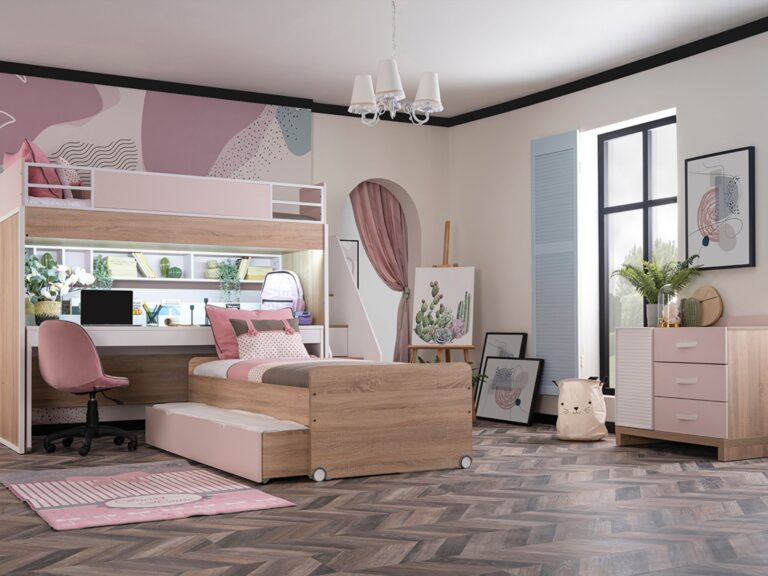
What age can a child sleep in a bunk bed? Bunk beds have become a staple in modern family homes across Ireland—and it’s easy to see why. They maximise space, create a sense of fun for children, and offer a stylish solution for shared bedrooms. For design-conscious parents, they’re also an opportunity to create a beautifully curated kids’ room that feels both practical and aspirational.
However, one question consistently comes up before making the investment:
What age is actually safe for a child to sleep in a bunk bed?
It’s a valid concern. Safety, development, and long-term usability all play a role in choosing the right setup. In this guide, we’ll walk you through expert age recommendations, safety considerations, and how to choose a bunk bed that not only protects your child—but elevates your home.
What Is the Recommended Age for Bunk Beds?
General Safety Guidelines
Most safety experts and manufacturers agree on one key rule:
- Top bunk: Suitable for children aged 6 years and older
- Bottom bunk: Can be used by younger children (with supervision)
This guideline isn’t arbitrary—it’s based on developmental readiness rather than just age alone.
For families investing in a premium bunk bed setup, this distinction is crucial. It allows you to design a room that works both now and in the years ahead.
Why Age 6 Is the Standard Recommendation
By the age of six, most children have developed the physical and cognitive skills needed to safely use the top bunk.
These include:
- Coordination: Ability to climb up and down safely
- Balance: Stability when navigating height
- Risk awareness: Understanding boundaries and rules
Younger children simply don’t have the same level of awareness, which increases the risk of falls—especially during sleep or play.
Choosing the right timing isn’t about restriction—it’s about setting your child up for independence in a safe, controlled way.
Can Younger Children Sleep in Bunk Beds?
Lower Bunk for Toddlers & Younger Kids
Yes—younger children can safely use the lower bunk.
In fact, it’s often an excellent transition from a cot to a “big kid” bed. The lower height reduces risk while still allowing your child to feel included in a shared or styled bedroom setup.
For growing families, this creates flexibility:
- Younger child on the bottom
- Older sibling on the top
- A setup that evolves over time
Risks of Letting Younger Kids Use the Top Bunk
Allowing children under six to sleep on the top bunk introduces several risks:
- Falls during sleep due to movement or rolling
- Climbing hazards when using ladders unsupervised
- Limited spatial awareness, especially at night
Even with safety features in place, age-appropriate use is essential. No design—no matter how premium—can replace developmental readiness.
Safety Features Parents Should Look For
When investing in a bunk bed, safety should be built into the design—not added as an afterthought.
Guardrails
Guardrails are non-negotiable for the top bunk.
Look for:
- Rails on both sides
- Sufficient height above the mattress
- Minimal gaps to prevent slipping
High-quality designs integrate guardrails seamlessly into the aesthetic—ensuring safety without compromising style.
Ladder Design
The ladder is one of the most frequently used (and overlooked) elements.
Key features include:
- Wide, sturdy steps for stable footing
- Easy-grip structure for smaller hands
- Secure attachment to the frame
Premium bunk beds often feature thoughtfully designed ladders that feel solid and intuitive for children.
Mattress Fit & Height
A common mistake is using the wrong mattress height.
- The mattress should not exceed the guardrail height
- Avoid overly thick mattresses that reduce protection
The right fit ensures that guardrails function as intended—providing real safety, not just visual reassurance.
Signs Your Child Is Ready for the Top Bunk
Age is a guideline—but readiness is personal.
Your child may be ready if they:
- Can climb up and down confidently
- Understand and follow rules (no jumping, no rough play)
- Sleep calmly without excessive movement
- Show good coordination and awareness
If you’re unsure, it’s always better to wait. A few extra months can make a significant difference in safety.
When Bunk Beds Make the Most Sense
Age-Based Scenarios
Bunk beds are particularly useful during key family transitions:
- Siblings sharing a room
- Children starting school and needing structured spaces
- Moving toward a more “grown-up” bedroom design
They’re not just furniture—they’re part of a lifestyle upgrade for your home.
Space-Saving Benefits for Irish Homes
In many Irish family homes—particularly 3–5 bedroom houses—space efficiency is essential.
Bunk beds:
- Free up floor space for play areas
- Create room for study desks and storage
- Help maintain a clean, organised look
For design-focused parents, this is where bunk beds truly shine—combining function with visual harmony.
Common Parent Concerns (And Answers)
“Is My Child Too Active for a Top Bunk?”
If your child is particularly energetic or prone to movement during sleep, it may be worth delaying the transition.
Temperament matters just as much as age.
“What If They Fall Out?”
This is one of the most common fears—and a valid one.
The solution lies in:
- Proper guardrails
- Clear rules and boundaries
- Choosing a well-built, stable frame
When these are in place, the risk is significantly reduced.
“Can Bunk Beds Grow With My Child?”
Absolutely—if you choose the right design.
High-quality bunk beds can:
- Adapt to different ages
- Offer long-term durability
- Complement evolving room styles
This is where investing in premium furniture pays off—both financially and aesthetically.
How to Make Bunk Beds Safer at Any Age
Regardless of age, a few simple practices can dramatically improve safety:
- Set clear rules (no roughhousing / jumping)
- Use night lights for visibility
- Position the bed away from windows
- Regularly check fixtures and stability
Safety is a combination of design, environment, and daily habits.
Choosing the Right Bunk Bed for Your Child
Not all bunk beds are created equal.
When selecting one, focus on:
- Durability: Built to withstand years of use
- Premium materials: Solid wood, high-quality finishes
- Timeless design: Something that grows with your child
For families who value both aesthetics and longevity, investing in a well-crafted bunk bed transforms more than just a room—it enhances the entire home.
M&I Interiors specialises in:
- Luxury children’s bedroom solutions
- Cohesive, design-led spaces
- Furniture built for growing families
From consultation to installation, the goal is simple: create a bedroom your child loves—and a space you’re proud to show.
FAQs – What Age Can a Child Sleep in a Bunk Bed
Conclusion
So, what age can a child sleep in a bunk bed?
- Top bunk: 6 years and older
- Bottom bunk: Flexible for younger children
The key is balancing safety with smart design. When chosen correctly, a bunk bed becomes more than just a practical solution—it becomes part of a beautifully designed, functional space that supports your child’s growth.
For parents who want the best of both worlds—safety and style—investing in a premium bunk bed ensures your child’s room is not only secure, but truly special.