When Should You Stop Using Bed Rails? A Parent’s Safety Guide
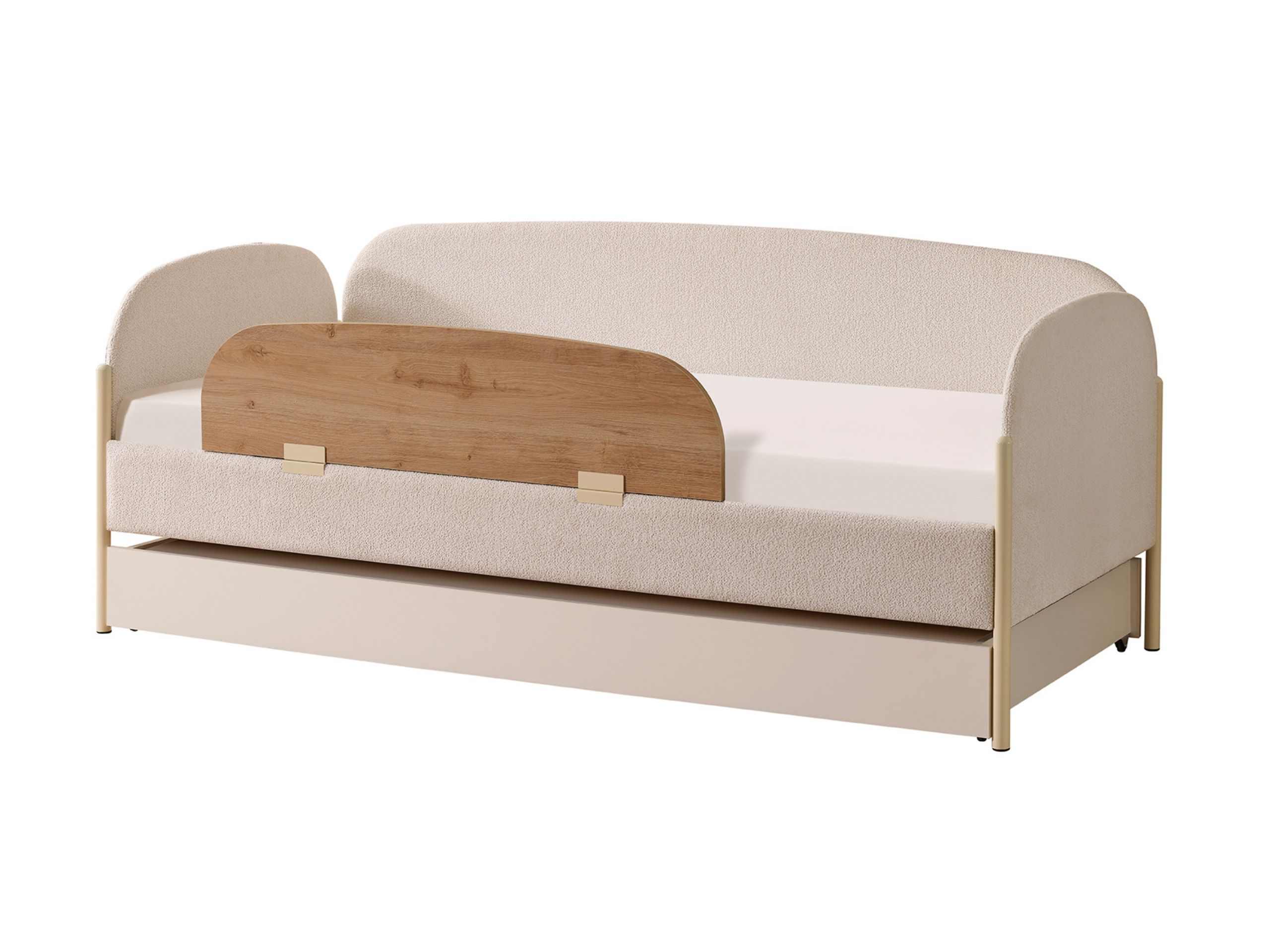
When should you stop using bed rails? Bed rails are one of the most common safety tools parents use when transitioning their child from a cot to a “big kid” bed. They provide reassurance, prevent nighttime falls, and help toddlers adjust to sleeping independently.
But like many parenting tools, bed rails are not meant to be used forever.
Knowing when to remove them is just as important as knowing when to start using them. Transitioning at the right time supports your child’s independence, safety, and confidence—while also helping you create a more functional, beautifully designed bedroom space.
For families investing in premium kids’ interiors, this stage is also the perfect opportunity to upgrade to a long-term bedroom solution that grows with your child.
What Are Bed Rails and Why Are They Used?
Purpose of Toddler Bed Rails
Bed rails are designed to:
- Prevent toddlers from rolling out of bed during sleep
- Provide a sense of security in a new sleeping environment
- Ease the transition from cot to bed
For many children, especially active sleepers, bed rails act as a protective boundary during early development stages.
When Parents Typically Start Using Bed Rails
Most parents introduce bed rails when their child:
- Moves out of a cot (typically 18 months to 3 years old)
- Begins climbing out of the crib
- Shows readiness for a toddler or single bed
This transition is often triggered by:
- Moving into a new home
- Redesigning a child’s bedroom
- Preparing for a sibling
When Should You Stop Using Bed Rails?
Recommended Age Range
Most children are ready to stop using bed rails between 3 and 5 years old.
However, age alone shouldn’t be the deciding factor. What matters most is your child’s development, confidence, and sleep behaviour.
Key Signs Your Child Is Ready
Your child may be ready to transition away from bed rails if they:
- Can get in and out of bed safely without assistance
- No longer roll or fall out of bed during sleep
- Show improved body awareness and coordination
- Demonstrate independence (e.g., going to the bathroom at night)
- Understand and follow simple safety instructions
For many design-conscious parents, this stage aligns perfectly with upgrading to a more sophisticated, long-term bedroom setup.
Safety Risks of Using Bed Rails for Too Long
While bed rails are helpful early on, extended use can introduce new risks.
Climbing Hazards
As children grow, they may attempt to climb over bed rails, increasing the risk of falls from a higher position.
Entrapment Risks
Poorly fitted or low-quality rails can create gaps, posing potential safety hazards.
Delayed Independence
Over-reliance on rails may:
- Reduce confidence in independent sleeping
- Delay physical awareness and self-regulation
Parents focused on child development and confidence-building often choose to remove rails earlier—within a safe, well-designed environment.
How to Transition Away from Bed Rails
Step-by-Step Transition Plan
A gradual approach works best:
- Remove one rail first to test readiness
- Choose a low-profile bed if possible
- Add a soft rug or carpet beside the bed
- Monitor sleep patterns for a few nights
- Remove the second rail once your child is comfortable
Create a Safe Sleep Environment
Instead of relying on rails, shift focus to the entire room:
- Keep the floor clear of toys and clutter
- Use smart furniture placement to minimise fall space
- Install soft lighting or night lights
- Avoid sharp edges and unstable furniture
💡 This is where well-designed children’s furniture makes a major difference—a cohesive, safe layout reduces the need for temporary safety aids.
Alternative Safety Solutions After Bed Rails
Low Beds or Floor Beds
Montessori-style or low-profile beds:
- Reduce fall risk
- Encourage independence
- Fit beautifully into modern, minimalist interiors
Bed Bumpers
A softer, less restrictive option:
- Helps prevent rolling without creating a barrier
- Ideal for children in transition
Room Safety Adjustments
Instead of focusing only on the bed:
- Childproof the entire room
- Use built-in storage to reduce clutter
- Ensure easy movement and accessibility
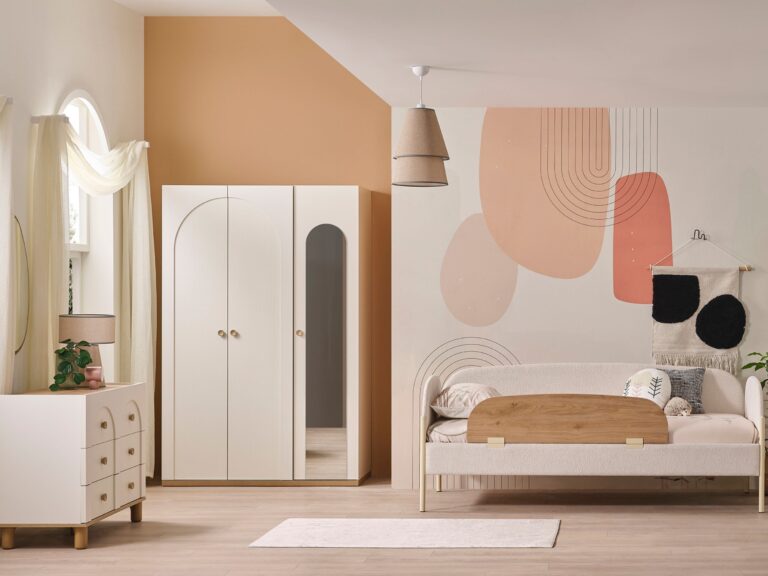
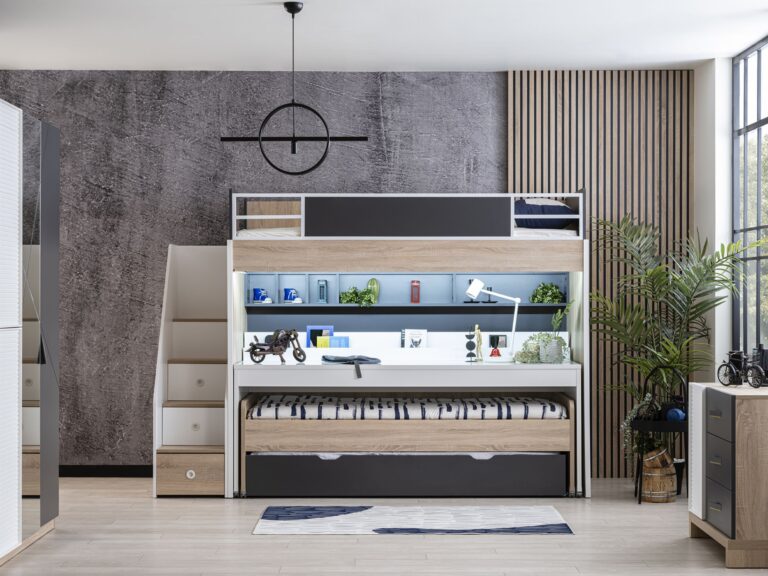
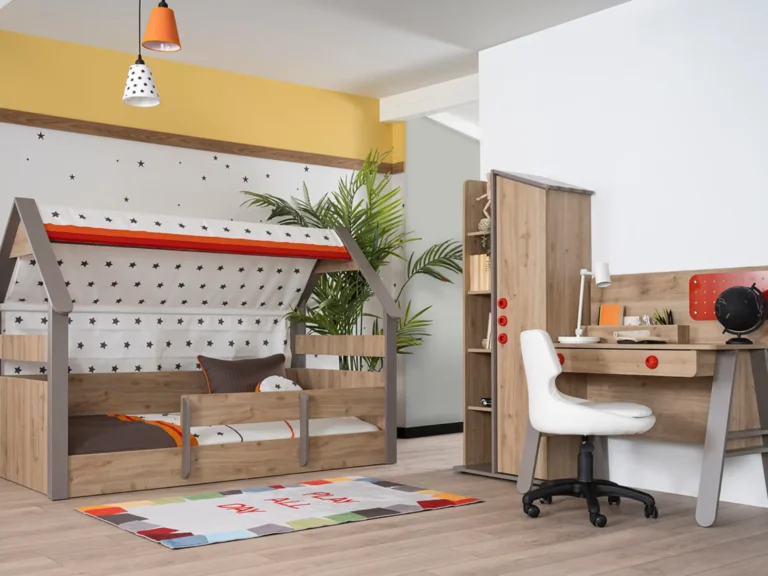
Designing a Safe & Stylish Kids Bedroom
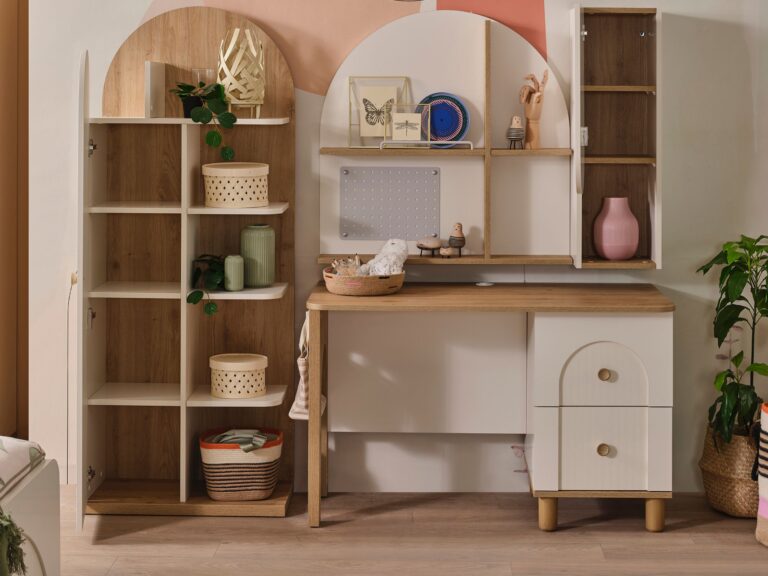
For parents who value both safety and aesthetics, this transition is more than just removing bed rails—it’s an opportunity to create a fully functional, beautifully designed space.
Why Design-Focused Parents Upgrade at This Stage
Many families in Ireland—especially in Dublin, Kildare, Meath, Wicklow, and Laois—choose to redesign their child’s room when:
- Their child outgrows toddler furniture
- They want a cohesive, clutter-free space
- They’re investing in long-lasting, premium furniture
What M&I Interiors Offers
M&I Interiors specialises in:
- Luxury children’s bedroom furniture
- Complete room setups (bed, desk, storage, décor)
- Timeless designs that grow with your child
- High-quality, durable materials
- Professional design consultation + installation
Transformation Over Temporary Fixes
Instead of relying on short-term solutions like bed rails, many parents prefer:
- A low, safe bed design
- Built-in storage to eliminate clutter
- A cohesive, “Instagram-worthy” bedroom
💡 The result?
A room that is:
- Safer
- More functional
- Visually stunning
Common Parent Concerns (And Solutions)
“What if my child falls out of bed?”
Minor falls are common and usually harmless. A low bed + soft flooring significantly reduces risk.
“My child moves a lot during sleep”
Start gradually:
- Remove one rail first
- Observe sleep behaviour
- Adjust as needed
“They feel safer with rails”
Replace rails with:
- Comfort items (pillows, soft toys)
- A consistent bedtime routine
- Reassurance and positive reinforcement
Expert Tips for a Smooth Transition
- Maintain a consistent bedtime routine
- Encourage independence with positive language
- Avoid rushing—every child adapts differently
- Prioritise room design, not just bed safety
FAQs – When Should You Stop Using Bed Rails?
Conclusion
Bed rails are a temporary safety solution, not a long-term necessity.
The key to knowing when to stop using them lies in your child’s:
- Development
- Confidence
- Sleep behaviour
As your child grows, the focus should shift from restrictive safety tools to a well-designed, safe, and inspiring bedroom environment.
For many families, this is the perfect moment to invest in a premium children’s bedroom setup—one that combines:
- Safety
- Style
- Functionality
- Longevity