Bedroom Designs for Kids Who Share With Parents Temporarily
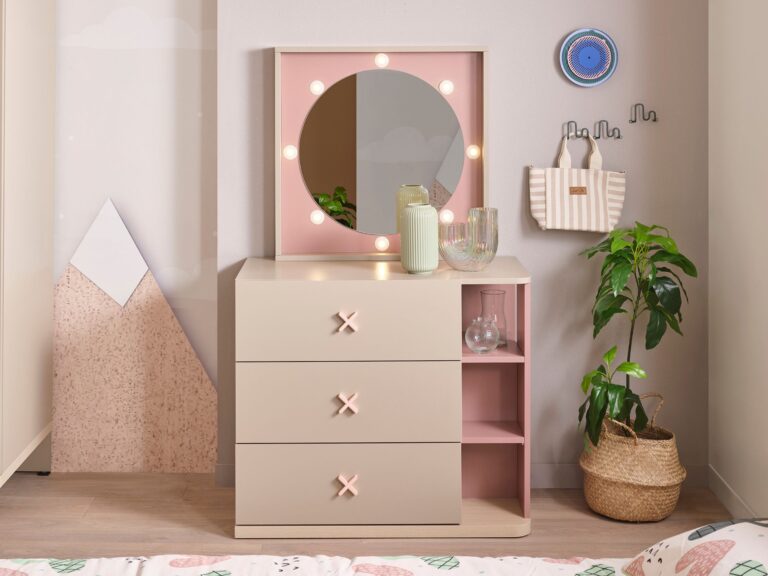
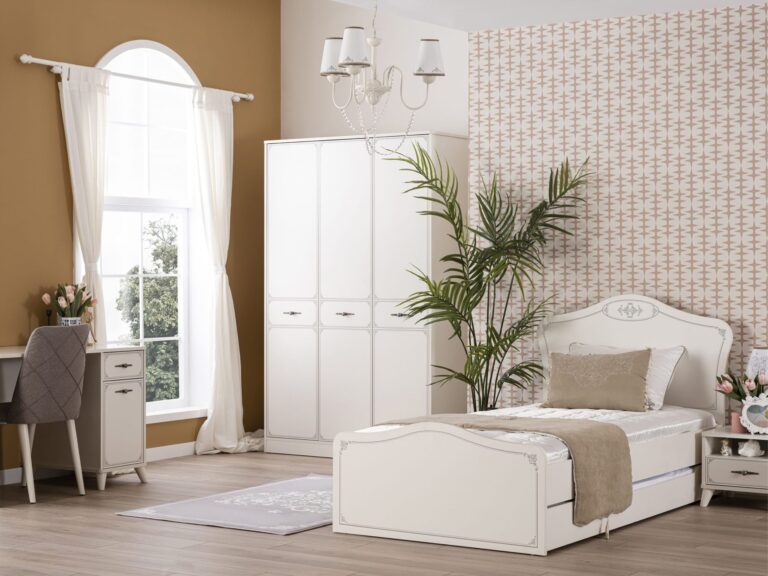
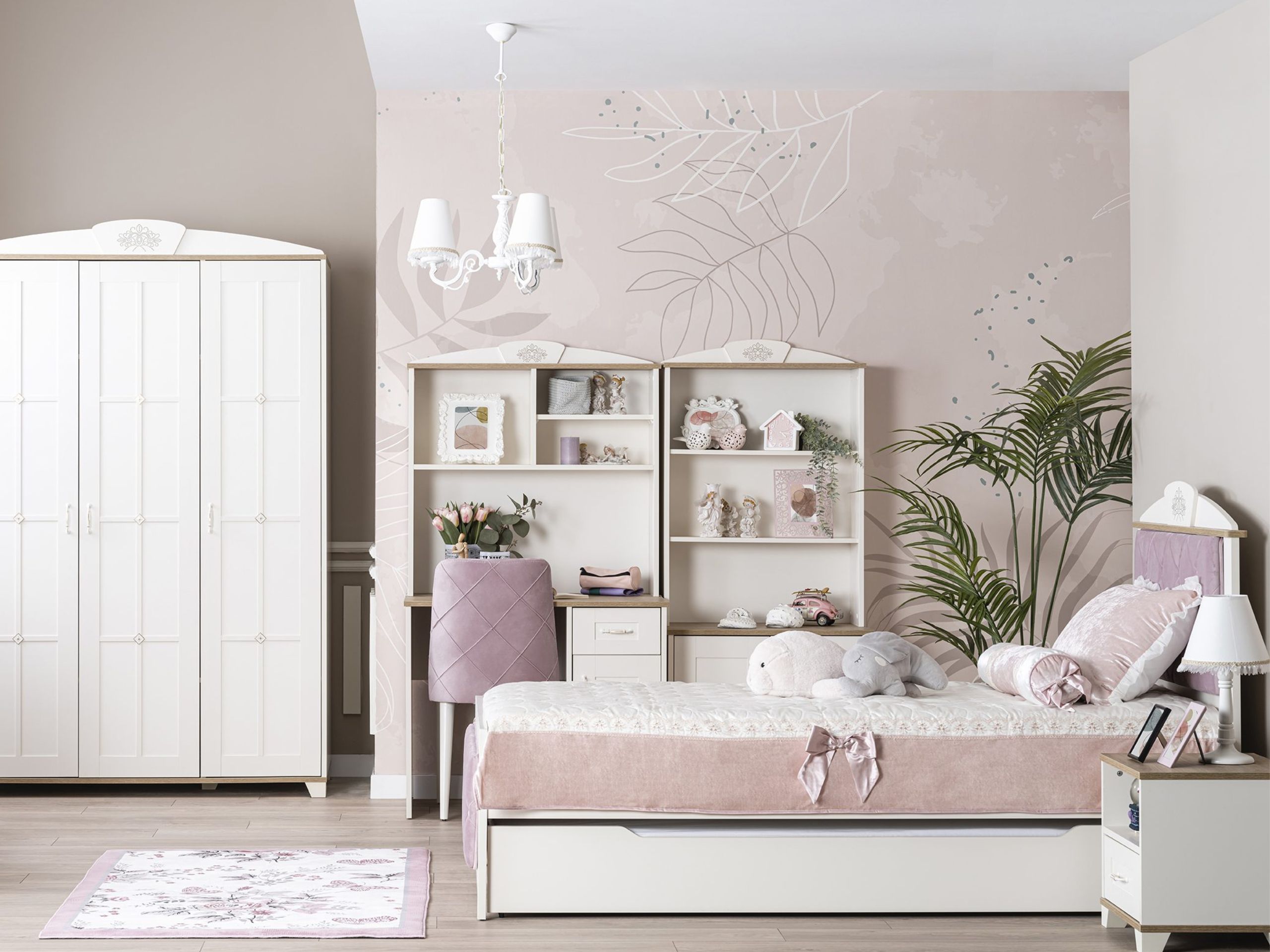
When designing practical bedroom spaces for kids sharing with parents temporarily, focus on creating cozy shared areas while also providing private zones. Use colorful bedding to reflect their personalities and incorporate multi-functional furniture for versatility.
Utilize vertical storage to keep clutter at bay and create designated play zones for creativity. Guarantee safety by arranging furniture wisely. With thoughtful organization and design, you’ll make the space feel comfortable and fun. Discover more great ideas by exploring further.
Key Takeaways
- Create distinct zones in the room for children and parents to ensure personal space and minimize disruption during shared living.
- Utilize multi-functional furniture like lofted beds or storage benches to maximize space while providing practical solutions for organization.
- Incorporate room dividers or curtains to establish private areas for quiet time or reflection, fostering a sense of ownership.
- Personalize the space with colorful bedding, artwork, and cherished items to reflect each child’s personality and create a comforting environment.
- Ensure safety by securing heavy furniture, maintaining clear pathways, and involving children in the arrangement process for awareness.
Understanding the Need for Shared Spaces
When you’re designing a bedroom for kids, understanding the need for shared spaces is essential. Kids thrive in environments that foster connection, so creating a space where they can bond is a priority.
Think about incorporating a cozy reading nook or a shared play area where they can engage in their favorite activities together. Use bright, inviting colors and fun decor that reflects their personalities, making the room feel like a true sanctuary for both.
Guarantee there’s enough room for each child’s belongings, encouraging them to take ownership while also promoting teamwork.
Designing Zones for Privacy
While shared spaces promote connection, it’s equally important to create zones for privacy in a kids’ bedroom. Start by identifying corners or nooks where you can set up personal areas.
Use room dividers, curtains, or even tall bookshelves to define these spaces. This way, your kids can retreat when they need a moment alone or some quiet time to read and reflect.
Incorporating comfortable seating or a cozy tent can make these zones inviting and special. Encourage your kids to personalize their areas with artwork or cherished items, making it a retreat where they feel safe and valued.
Balancing shared spaces with privacy zones helps everyone feel a sense of belonging while respecting individual needs.
Choosing the Right Bedding and Furniture
Creating a harmonious balance between shared spaces and private zones sets the stage for selecting the right bedding and furniture in a kid’s bedroom.
You want items that reflect your child’s personality while ensuring comfort and functionality. Choose bedding in fun patterns or colors that excite them, and opt for furniture that’s both stylish and durable.
| Bedding Options | Furniture Choices |
|---|---|
| Colorful bedspreads | Multi-functional beds |
| Themed comforters | Storage-friendly dressers |
| Soft blankets | Study desks with shelves |
| Fun pillow sets | Cozy reading nooks |
Utilizing Vertical Space for Storage
To maximize space in a kid’s bedroom, consider utilizing vertical storage solutions that keep the floor clear and organized.
Wall-mounted shelves are perfect for displaying books, toys, and cherished treasures. Use hooks to hang backpacks or jackets, making them accessible yet out of the way.
A tall bookshelf can create a cozy reading nook while maximizing storage. Don’t forget about the space above the door; it’s ideal for a small shelf or decorative storage box.
Consider multi-tiered baskets or organizers to store smaller items, ensuring everything has a place.
Incorporating Multi-Functional Furniture
When designing your kid’s bedroom, consider incorporating multi-functional furniture to maximize space and utility.
Space-saving bed options, convertible storage solutions, and multi-use play areas can transform the room into a versatile environment.
This approach not only enhances functionality but also sparks creativity in your child’s space.
Space-Saving Beds Options
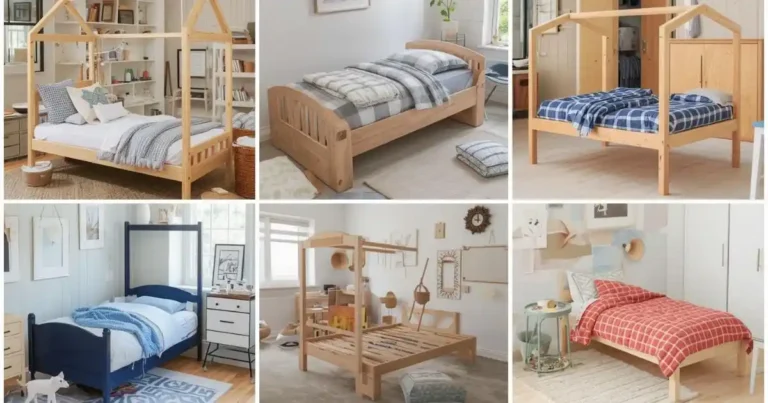
As kids grow, their needs change, making space-saving bed options essential for maximizing room functionality. You want your little ones to feel at home, and that includes creating a cozy sleeping area without sacrificing space.
Consider lofted beds, which elevate the mattress and free up floor space for play or study. Bunk beds can also be a fun solution, allowing siblings to bond while sharing a compact footprint.
Alternatively, look for storage beds with drawers underneath, providing extra room for toys and clothes. These multi-functional beds can transform a small area into a welcoming sanctuary, helping your kids feel a sense of belonging.
With the right space-saving choices, you’ll create a bedroom that’s both functional and inviting.
Convertible Storage Solutions
Incorporating multi-functional furniture into your kids’ bedroom can considerably enhance storage solutions while keeping the space organized and stylish.
Think about a bed with built-in drawers or a storage ottoman that doubles as seating. These pieces not only save space but also provide a designated spot for toys, books, and clothes, making it easier for your kids to tidy up.
A desk with shelves can serve as a homework station and a display area for their favorite items, fostering a sense of belonging.
By choosing convertible furniture, you’ll create a functional environment that adapts to your family’s needs, encouraging creativity and responsibility.
Embrace these smart solutions to guarantee your kids feel at home in their shared space.
Multi-Use Play Areas
Creating a multi-use play area in your child’s bedroom can transform the space into a vibrant hub for both play and learning.
By incorporating multi-functional furniture, you can maximize every inch of the room. Consider a foldable table that serves as a craft station and a game zone, or a cozy reading nook that doubles as a storage bench.
Use colorful bins to organize toys and books, making it easy for your child to access their favorite things. Encourage creativity by adding a chalkboard wall or a magnetic board for art displays.
This way, your child’s bedroom becomes a welcoming space where they can explore, create, and feel a sense of belonging. Embrace flexibility, and watch their imagination thrive!
Creating a Cozy Nook for Kids
How can you transform a corner of your child’s room into a cozy nook? Start by selecting a quiet spot, away from distractions.
A soft rug or a couple of cushions can create a warm, inviting base. Layer in a small bookshelf or a basket for favorite books, encouraging your child to escape into stories.
Consider adding a soft throw blanket for extra comfort and warmth. A small lamp or fairy lights can provide gentle illumination, making it a perfect reading spot.
Personalize the nook with a few cherished toys or plushies to make it feel like their special place.
This cozy nook not only fosters a sense of belonging but also encourages relaxation and imagination.
Personalizing the Space With Decor
While it’s important to choose functional furniture for your child’s bedroom, adding personalized decor can truly make the space feel like their own.
Start by letting your child pick out their favorite colors or themes. You might hang up their artwork, showcasing their creativity and giving them a sense of pride.
Consider adding fun throw pillows or blankets that reflect their personality. Don’t forget about wall decals or removable wallpaper that can easily be changed as their tastes evolve.
Incorporating family photos or cherished mementos can also help create a warm, inviting atmosphere.
Establishing a Routine for Shared Areas
To guarantee harmony in shared areas of your child’s bedroom, it’s important to establish a routine that everyone can follow.
Start by setting specific times for activities, like play, homework, and tidying up. This way, everyone knows what to expect and when.
Involve your child in creating the schedule, so they feel a sense of ownership and responsibility. Make it visually appealing by using a chart or colorful calendar, hanging it on the wall for easy reference.
Encourage communication about the routine, allowing your child to share their thoughts and adjustments.
By working together, you’ll foster a sense of belonging and cooperation, making the shared space enjoyable for both of you.
Stick to the routine, and watch harmony flourish!
Implementing Creative Play Areas
Creating a fun play area in your child’s bedroom can spark their imagination and keep them engaged.
Start by designating specific play zones, incorporating multi-functional furniture, and using portable storage solutions to keep things organized.
These thoughtful additions will transform the space into a vibrant hub for creativity and play.
Designate Play Zones
Designating play zones in your child’s bedroom can transform the space into a vibrant hub of creativity and fun. By creating distinct areas for different activities, you can foster a sense of belonging and ownership. Here are some ideas to inspire you:
| Play Zone | Activity Type | Suggested Materials |
|---|---|---|
| Art Corner | Drawing & Crafting | Easel, paper, crayons |
| Reading Nook | Story Time | Cushions, books, lamp |
| Building Station | Construction Play | Blocks, LEGO, mats |
| Imaginative Play | Role-Playing | Costumes, props, tents |
| Quiet Zone | Relaxation | Bean bags, soft lighting |
These zones encourage interaction while keeping everything organized, making your child’s space both functional and inviting.
Incorporate Multi-Functional Furniture
While kids love their dedicated play zones, incorporating multi-functional furniture can maximize space and enhance creativity.
Consider a cozy corner with a foldable table and chairs that can transform into a crafting area or a game spot. A storage bench can serve as both seating and a place to stash toys, making it easy for your little ones to keep things tidy.
Look for beds with built-in drawers or lofted designs that create extra room for play underneath. By choosing versatile pieces, you not only create a functional space but also foster a sense of belonging and ownership.
Your kids will appreciate having a space that adapts to their activities, encouraging imagination and collaboration within their shared environment.
Use Portable Storage Solutions
Portable storage solutions can transform a kid’s bedroom into a dynamic play area. With colorful bins, baskets, and rolling carts, you can easily organize toys, books, and art supplies.
Encourage your child to personalize their space by labeling each container, making it fun and inviting. When everything has a home, it fosters a sense of belonging and responsibility.
You can create designated zones for different activities; a cozy reading nook in one corner, a creative art station in another.
By keeping the space neat, kids can focus on play and imagination. Plus, portable solutions allow you to rearrange the room as needed, adapting to your child’s evolving interests.
Embrace flexibility and watch your child thrive in their playful sanctuary!
Using Color to Define Areas
Color can transform a child’s bedroom by clearly defining different areas for play, study, and rest. By using vibrant hues in the play zone, you create an energetic space where creativity flourishes.
Soft, calming shades in the study area promote focus and concentration, making homework time more enjoyable. You might opt for warm colors in the sleeping area, fostering a sense of security and comfort.
Using color not only establishes boundaries but also encourages your child to take ownership of their space. Consider involving them in the color selection process to enhance their sense of belonging.
Ensuring Safety in Shared Bedrooms
When designing shared bedrooms, you need to prioritize safety to create a worry-free space for your kids.
Consider furniture placement strategies that prevent accidents and choose non-toxic materials to keep the environment healthy.
Don’t forget to childproof essential areas to guarantee that all your little ones can play safely together.
Safe Furniture Placement Strategies
Creating a safe environment in shared bedrooms is essential for both children’s well-being and peace of mind for parents. Start by placing the bed away from windows to prevent falls and guarantee there’s enough space for kids to move around freely.
Position furniture like dressers and bookshelves against walls, securing them if possible to avoid tipping. Keep cords and chargers out of reach to prevent accidents. Use soft rugs to cushion falls and create a cozy atmosphere.
Try to maintain clear pathways for easy navigation, especially during nighttime. Finally, involve your kids in the arrangement process; it fosters a sense of ownership and belonging while reinforcing safety.
With these strategies, everyone will feel secure and comfortable in their shared space.
Non-Toxic Materials Selection
After ensuring safe furniture placement, the next step in designing a kid’s bedroom is selecting non-toxic materials. You want to create a nurturing space where your child feels safe and comfortable.
Choose paints, finishes, and textiles labeled as non-toxic to minimize harmful chemicals. Look for natural fibers like cotton or wool for bedding and rugs, as they’re breathable and safe.
Opt for furniture made from solid wood rather than particleboard, which often contains harmful adhesives. Investing in non-toxic materials not only protects your child’s health but also fosters a warm, inviting atmosphere.
Childproofing Essential Areas
To guarantee your kids’ shared bedroom is a safe haven, it’s crucial to childproof essential areas.
Start by securing heavy furniture, like dressers and bookshelves, to the wall to prevent tipping. Cover electrical outlets with safety plugs and tuck away cords to eliminate hazards.
Consider installing corner guards on sharp furniture edges to protect little ones from bumps and bruises. Keep small items, like toys or crafts, out of reach to avoid choking risks.
Confirm that all windows have secure locks or screens, preventing accidental falls.
Finally, create a designated play area with soft flooring to encourage imaginative play while keeping safety in mind.
Tips for Transitioning Back to Separate Rooms
As you prepare to shift your kids back to separate rooms, it’s important to approach the change with patience and understanding.
Start by involving them in the process—let them choose colors or decorations for their new spaces. This empowers them and makes the change feel exciting. Schedule a special day for the move; celebrate the occasion with a small party or a fun family activity.
Communicate openly about the change, reassuring them that it’s a positive step. Gradually introduce nighttime routines in their new rooms, helping them feel safe and comfortable.
Finally, be flexible—some kids may need extra time to adjust. By fostering a sense of belonging in their new spaces, you’ll ease the change and promote a sense of security.
Frequently Asked Questions
Conclusion
In this shared bedroom journey, think of your space as a charming garden where every flower thrives together. By nurturing zones of privacy and planting multi-functional furniture, you create a vibrant ecosystem that fosters comfort and creativity.
As colors dance around, and safety wraps around like a gentle breeze, you’re preparing for the day each flower can bloom in its own patch. Embrace this temporary garden, knowing it’s a stepping stone to their own beautiful landscapes ahead.
Ready to transform your kids’ shared bedroom into a functional, fun, and safe space? Explore our Kids M&I design solutions today and create a room your children will love, filled with personality, creativity, and harmony!