
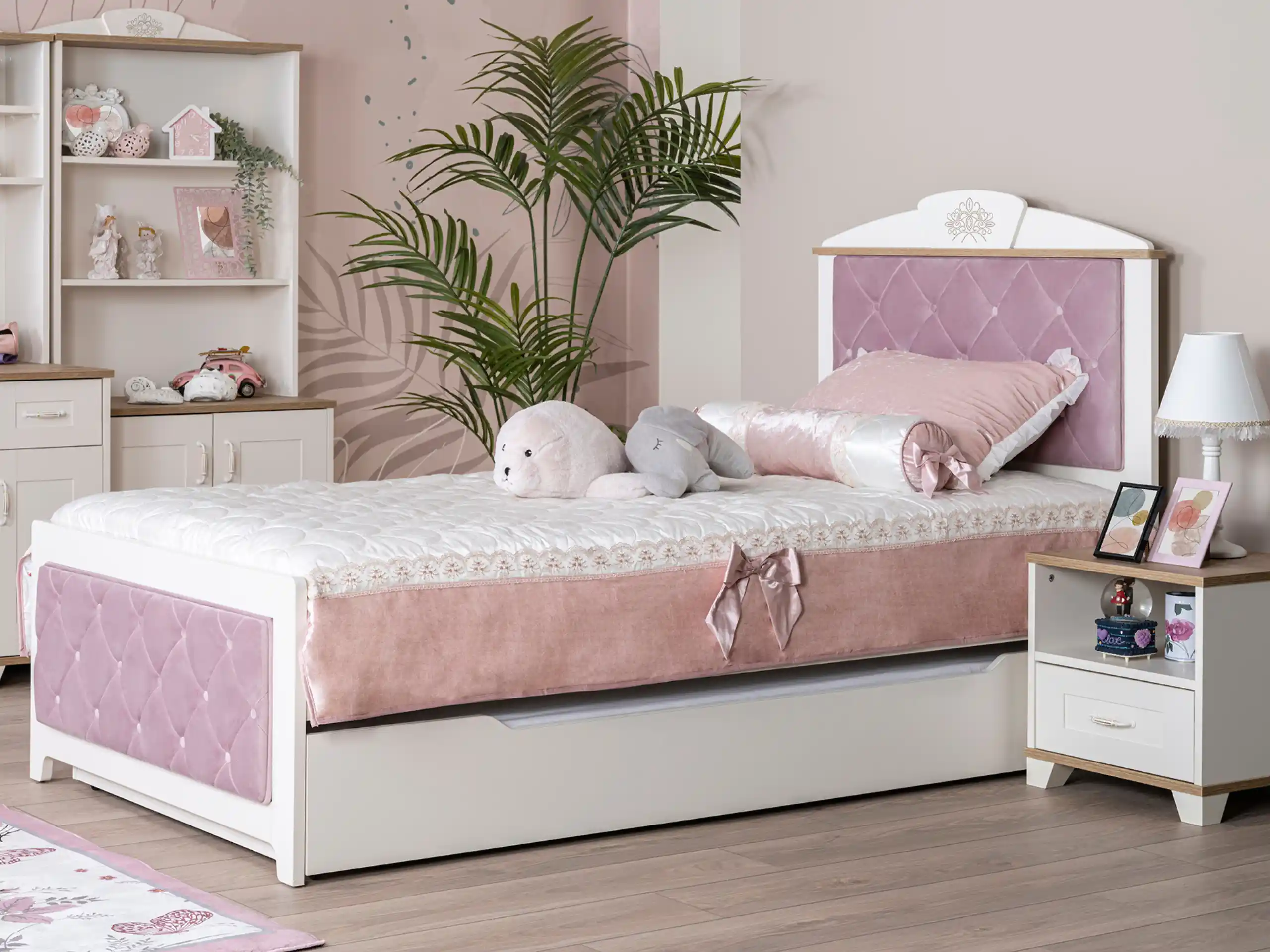
What Age Can a Toddler Sleep in a Bed? Guide
One of the most common questions parents ask is: what age can a toddler sleep in a bed? It’s a major milestone—not just for your child, but for your home and daily routine.
Moving from a cot to a bed marks a shift toward independence, personality, and growth. But beyond practicality, it’s also an opportunity—especially for design-focused parents—to create a beautiful, functional, and inspiring bedroom that supports your child’s development.
While many guides focus purely on age, the truth is simpler:
👉 Readiness matters more than a number.
For families across Dublin, Kildare, Meath, Wicklow, and Laois investing in their homes, this transition is also the perfect moment to rethink the entire room. With brands like M&I Interiors – Kids Furniture, parents are no longer just “buying a bed”—they’re creating a complete, luxury kids bedroom designed to grow with their child.
What Age Can a Toddler Sleep in a Bed?
Typical Age Range
Most toddlers move from a cot to a bed between 18 months and 3 years old, with the average transition happening around 2 to 2.5 years.
However, every child is different:
- Some are ready earlier due to climbing or independence
- Others benefit from staying in a cot longer for security
There’s no perfect age—only the right time for your child.
Why Age Alone Isn’t Enough
Focusing only on age can lead to frustration. Instead, consider three essential factors:
- Developmental readiness – Can your child safely get in and out of bed?
- Safety awareness – Do they understand simple rules?
- Emotional readiness – Are they comfortable sleeping independently?
Transitioning too early can result in disrupted sleep, while waiting until your child is ready often leads to a smoother, more positive experience.
Signs Your Toddler Is Ready for a Bed
Recognising readiness is key to a successful transition.
Physical Readiness
- Climbing out of the cot (a clear safety signal)
- Walking confidently
- Able to climb onto low surfaces
If your toddler is attempting to escape their cot, switching to a low bed becomes a safer option.
Cognitive & Emotional Readiness
- Follows simple instructions like “stay in bed”
- Understands bedtime routines
- Shows excitement about a “big kid bed”
This excitement can be used to make the transition easier and more enjoyable.
Sleep Behaviour Indicators
- Consistent bedtime routine
- Sleeps through most nights
- Less reliance on the cot for comfort
Strong sleep habits create the foundation for a successful move.
When It Might Be Too Early
Not every toddler is ready—even if parents are eager to make the change.
Common Red Flags
- Frequent night waking
- Strong separation anxiety
- Difficulty following simple instructions
- Constant need for reassurance
Risks of Transitioning Too Soon
- Sleep regression – disrupted nights and overtired days
- Safety risks – wandering around unsupervised
- Bedtime struggles – resistance and frustration
If these signs are present, it’s often better to wait a few months.
What Type of Bed Should You Choose?
This decision is where practicality meets design—especially for families who care about aesthetics and long-term value.
Toddler Beds
Toddler beds are designed specifically for this transition.
Benefits:
- Low height for safety
- Built-in guardrails
- Familiar, secure feel
They’re ideal for younger toddlers but are typically a short-term solution.
Single Beds with Safety Rails
For many modern families, a single bed with safety rails is the smarter investment.
Why design-focused parents prefer this:
- Lasts for many years (better long-term value)
- Fits seamlessly into a styled bedroom
- Allows for premium bedding and décor
At M&I Interiors – Kids Furniture, many parents choose this option as part of a complete bedroom transformation, rather than upgrading piece by piece.
Themed & Designer Beds
For those looking to create a magical space, themed beds are incredibly popular.
- Princess beds
- Car beds
- Upholstered luxury designs
- Modern minimalist styles
These beds go beyond function—they ignite imagination and create a space children love spending time in.
Safety Considerations for Toddler Beds
Safety is essential when making the transition.
Essential Safety Features
Look for:
- Guardrails
- Low-to-floor design
- Sturdy, high-quality construction
Premium furniture—like that from M&I Interiors—is designed with both safety and durability in mind.
Room Safety Setup
Once your child can leave their bed, the room must be fully safe:
- Secure furniture to walls
- Add soft rugs or carpets
- Remove sharp edges
- Use childproof locks where needed
Mattress & Bedding Tips
- Ensure a snug mattress fit (no gaps)
- Choose breathable, high-quality materials
- Invest in long-lasting bedding
For style-conscious homes, bedding is also key to achieving an Instagram-worthy, cohesive look.
How to Transition Your Toddler to a Bed
A smooth transition depends on preparation and consistency.
Step-by-Step Transition Plan
- Introduce the bed positively
- Let your child explore it
- Keep bedtime routines consistent
- Use encouragement and praise
Consistency creates security—and security leads to better sleep.
Making the Bed Exciting
This is where thoughtful design makes a real difference.
- Let your child choose colours or themes
- Involve them in small decisions
- Create a room they feel proud of
Parents investing in premium interiors often find that a beautifully designed room naturally encourages better sleep habits.
Handling Common Challenges
Getting out of bed repeatedly
→ Calmly return them without interaction
Night waking
→ Offer reassurance, but maintain boundaries
Fear of change
→ Use night lights, comfort items, and routines
Most children adjust within a few weeks with consistency.
Designing a Toddler Room That Grows With Them
For many families, this transition is the perfect time to upgrade the entire room.
Invest in Long-Term Furniture
Avoid short-term purchases that need replacing quickly.
Instead, choose:
- Beds that last into later childhood
- Durable, high-quality materials
- Timeless designs
This solves a major frustration for Irish parents:
👉 cheap furniture that needs replacing every 2–3 years
Cohesive Bedroom Design
A well-designed room includes:
- Matching bed, storage, and desk
- A consistent colour palette
- Clean, uncluttered layout
One of the biggest pain points parents face is a mismatched room.
M&I Interiors solves this by offering complete bedroom solutions with design consultation and installation.
Smart Storage Solutions
Storage transforms both function and appearance:
- Built-in wardrobes or units
- Easy-access toy storage
- Stylish shelving
An organised room supports independence—and keeps your home looking polished.
FAQs – What Age Can a Toddler Sleep in a Bed?
Conclusion
So, what age can a toddler sleep in a bed?
For most children, it’s between 18 months and 3 years—but the real answer depends on readiness, not just age.
By focusing on your child’s development, prioritising safety, and planning the transition carefully, you can make this milestone smooth and stress-free.
More importantly, this is your opportunity to go beyond function.
You can:
- Create a beautiful, cohesive bedroom
- Invest in furniture that lasts for years
- Design a space your child truly loves
For families across Ireland, M&I Interiors – Kids Furniture offers a complete solution—combining luxury design, durable materials, and full-room transformation.
👉 Because your child’s room shouldn’t just be practical.
It should feel magical, organised, and designed to grow with them.